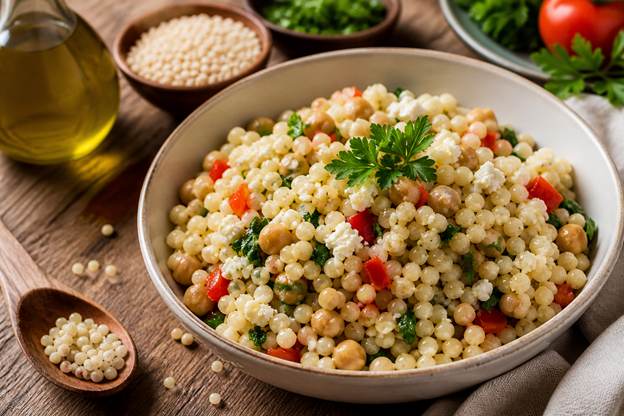
Kouskousi is one of those traditional foods that many people discover by accident and then keep coming back to. At first glance, it may look similar to couscous, pearl pasta, or even tiny grains, which often creates confusion for first-time buyers and home cooks. In reality, kouskousi carries its own identity, history, and cooking traditions that make it special in Mediterranean and regional home cooking.
Over the years, foods like kouskousi have gained attention as more people explore traditional ingredients beyond common pantry staples. Its comforting texture, flexible cooking style, and ability to absorb flavors make it a favorite in both simple family meals and carefully prepared dishes. Whether you are trying it for the first time or looking to understand its cultural roots, learning about kouskousi can completely change how you view this humble ingredient.
This guide explores everything you need to know about kouskousi, from its origins and ingredients to cooking techniques, health benefits, serving ideas, and expert tips that can help you prepare it with confidence.
What Is Kouskousi?
Kouskousi is a small pasta-like food commonly associated with Mediterranean cuisine, especially in Greek culinary traditions. It is often made from durum wheat semolina, giving it a firm yet tender texture when cooked properly. Because of its appearance, many people mistake it for couscous, but the preparation and texture can be quite different.
Unlike instant couscous, which is usually steamed and rehydrated, kouskousi is often cooked more like pasta. It is boiled in water or broth until soft while maintaining a slightly chewy bite. This makes it ideal for dishes that need body, texture, and the ability to hold sauces or seasonings.
One of the reasons kouskousi stands out is its versatility. It can be served in soups, warm salads, vegetable dishes, meat-based recipes, or even simple olive oil and herb combinations. Its ability to blend with both light and rich ingredients makes it useful in many kitchens.
The Origins Of Kouskousi
Food traditions often carry generations of cultural history, and kouskousi is no exception. The name itself shares similarities with couscous, which has deep roots in North African cuisine. Over time, regional adaptations created different versions, including pasta-style forms found in parts of the Mediterranean.
In Greek cooking, kouskousi became a practical and comforting food often prepared in family kitchens. Its ingredients were simple, affordable, and easy to store, making it a reliable staple. Traditional cooks often paired it with seasonal vegetables, olive oil, legumes, or slow-cooked meats.
What makes kouskousi interesting from a cultural perspective is how it reflects local cooking values—simple ingredients, patient cooking, and meals designed to feed families. Even today, many people connect dishes like kouskousi with home, tradition, and shared meals.
What Is Kouskousi Made Of?
Most kouskousi is made using durum wheat semolina, which is also commonly used in pasta production. Semolina provides structure, texture, and a slightly nutty taste that works beautifully in savory dishes.
Water is added during the shaping process, helping create the small grain-like or pearl-shaped pieces that define kouskousi. Some traditional producers may use handmade methods, while modern brands often use machines for consistency.
Because it is wheat-based, kouskousi naturally contains gluten. This is important for anyone with gluten sensitivities or dietary restrictions. However, for most people, its wheat composition contributes to its satisfying texture and ability to hold up well during cooking.
The simplicity of its ingredients is one reason why kouskousi works so well in cooking. It acts like a blank canvas, taking on the flavors of herbs, broths, vegetables, spices, and sauces.
How Kouskousi Tastes
The taste of kouskousi is mild, slightly nutty, and pleasantly comforting. On its own, it has a subtle wheat flavor that is not overpowering. This neutral taste allows it to work with a wide range of ingredients.
When cooked in plain water, the flavor remains simple and clean. However, when prepared in vegetable stock, chicken broth, or with herbs and olive oil, the taste becomes much richer and more layered.
Texture plays a major role in how people experience kouskousi. When cooked correctly, it offers a tender bite with enough firmness to feel satisfying. This balance makes it appealing in both light and hearty meals.
Its ability to absorb surrounding flavors means the final taste often depends on how it is cooked and what ingredients are paired with it.
How To Cook Kouskousi Properly
Cooking kouskousi is straightforward, but small details can make a big difference in the final result. The first step is bringing salted water or broth to a gentle boil. Using broth instead of water can add depth to the finished dish.
Once the liquid is ready, kouskousi is added and stirred lightly to prevent sticking. Cooking times may vary depending on the brand or style, but it generally cooks within several minutes.
Stirring occasionally helps maintain an even texture. Overcooking can cause it to become too soft, so checking for doneness is important. The ideal texture is tender with a slight bite.
After cooking, draining it properly prevents excess moisture from affecting the dish. A small amount of olive oil can be mixed in afterward to keep the grains separate and add flavor.
Popular Ways To Serve Kouskousi
One of the best things about kouskousi is how flexible it is in the kitchen. It can be served as a warm side dish with roasted vegetables and herbs, creating a balanced and comforting meal.
Many cooks enjoy mixing it with chickpeas, lentils, spinach, tomatoes, or caramelized onions. These combinations create rich flavors while keeping the dish wholesome and satisfying.
Kouskousi also works beautifully in soups. Its texture adds body to broths without making them too heavy. In colder months, this makes it especially comforting.
For protein-based meals, kouskousi pairs well with grilled chicken, lamb, fish, or slow-cooked beef. Its mild flavor supports stronger ingredients without competing with them.
It can even be used in cold salads with olive oil, lemon juice, fresh herbs, and seasonal vegetables for a lighter Mediterranean-style meal.
Nutritional Benefits Of Kouskousi
Kouskousi provides a useful source of carbohydrates, making it a dependable energy food. This makes it suitable for lunch, dinner, or meals prepared for active lifestyles.
Because it is made from wheat, it may also provide small amounts of protein, fiber, and essential minerals, depending on how it is processed. Whole grain versions may offer additional nutritional value.
When combined with vegetables, legumes, healthy fats, or lean proteins, kouskousi can become part of a balanced meal. This is one reason traditional diets often include similar grain or pasta-based foods.
Portion control still matters, as with any carbohydrate-based ingredient. Pairing it with nutrient-rich foods can help create meals that are both satisfying and nourishing.
Common Mistakes When Cooking Kouskousi
One common mistake is treating kouskousi exactly like instant couscous. Since it often requires boiling, skipping this step can lead to poor texture and disappointing results.
Another mistake is overcooking it. When left in water for too long, it may become mushy and lose the pleasant bite that makes it enjoyable.
Using unsalted water can also reduce flavor. Because kouskousi has a mild taste, seasoning during cooking matters.
Some people serve it immediately without allowing excess moisture to drain. This can cause the dish to feel heavy or sticky instead of light and well-balanced.
Taking a little extra care during cooking usually leads to much better results.
Expert Tips For Better Flavor
Experienced cooks often toast kouskousi lightly in olive oil before boiling it. This simple technique can add a deeper, nuttier flavor.
Cooking it in broth instead of plain water creates richer taste without needing many extra ingredients. Adding garlic, bay leaves, or fresh herbs can also enhance flavor naturally.
A squeeze of lemon at the end can brighten the dish and balance heavier ingredients. Fresh parsley, dill, or mint can bring freshness and color.
Texture also matters. Letting kouskousi rest for a minute after cooking helps it settle and absorb flavors more evenly.
These small details often make the difference between an average dish and one people remember.
Conclusion
Kouskousi is more than just another pantry ingredient. It carries history, tradition, and incredible versatility that make it valuable in modern kitchens. From its Mediterranean roots to its comforting texture and flexible cooking methods, it offers something for both beginners and experienced home cooks.
Whether you prepare it in soups, warm salads, vegetable dishes, or protein-based meals, kouskousi adapts beautifully to different flavors and cooking styles. Its simple ingredients, balanced texture, and practical use make it a food worth exploring.
For anyone looking to expand their cooking skills while enjoying traditional, comforting meals, kouskousi deserves a place in the kitchen. Once you learn how to cook it properly, it quickly becomes one of those ingredients you reach for again and again.
FAQ’s:
What Is Kouskousi Made From?
Kouskousi is usually made from durum wheat semolina and water, similar to many traditional pasta products.
Is Kouskousi The Same As Couscous?
Not exactly. Kouskousi is often cooked like pasta, while traditional couscous is usually steamed or rehydrated.
How Long Does Kouskousi Take To Cook?
Kouskousi typically takes around 8 to 12 minutes to cook, depending on the brand and texture you prefer.
Is Kouskousi Healthy?
Yes, kouskousi can be part of a balanced diet when served with vegetables, legumes, or lean protein.
Can I Use Kouskousi In Soup?
Yes, kouskousi works very well in soups because it adds texture and absorbs flavor beautifully.
Want glowing skin and gorgeous hair? Visit our website for the latest beauty tips and expert advice.
Disclaimer:
This article about kouskousi is provided for informational and educational purposes only. The information shared is based on general research, cooking knowledge, and traditional food practices. Ingredients, nutrition values, and cooking methods may vary depending on the brand, region, or recipe you use. Always check product labels and consult a qualified professional if you have specific dietary, allergy, or health concerns.