Fashion show themes do much more than make an event look stylish. A good theme gives the entire show a clear direction. It helps connect the outfits, music, lighting, décor, model styling, and overall mood into one complete experience. When a theme is chosen with care, the audience does not just watch clothes on a runway. They understand a story, feel an atmosphere, and remember the show long after it ends.
Many people think choosing a fashion show theme is only about picking something trendy or visually attractive. In reality, it is about creating a concept that supports the collection and makes the presentation stronger. A weak theme can make even beautiful outfits feel disconnected. A strong theme can make simple designs feel polished, meaningful, and easier for viewers to understand.
This is why fashion show themes matter for students, boutique owners, luxury labels, stylists, event planners, and anyone creating a runway event. The right concept helps with decision-making from the early planning stage to the final walk. It can also make marketing easier because people are more likely to remember a fashion show that has a clear identity and mood.
Why Fashion Show Themes Matter
A fashion show without a theme can still happen, but it often feels flat. The clothes may be good, yet the presentation may not leave a lasting impression. A theme gives the event structure. It creates unity between all visual and creative choices. Instead of random looks appearing one after another, the audience sees a full idea unfold in front of them.
Themes also help the creative team stay focused. Once the theme is clear, it becomes easier to decide the colors, fabrics, makeup style, soundtrack, and runway design. This saves time and prevents confusion during planning. It also helps avoid a situation where the outfits say one thing while the décor says something else.
Another reason themes matter is audience engagement. People enjoy fashion more when they can connect it to a mood, season, era, culture, or lifestyle. A themed show feels more immersive. It becomes easier to photograph, easier to promote online, and more attractive to viewers who want something beyond a standard presentation.
How To Choose The Right Fashion Show Theme
The best fashion show themes usually begin with one simple question: what is the purpose of the show? Some shows are meant to launch a new brand. Some are student projects. Some are seasonal events, fundraising programs, or social media-focused productions. The theme should match that purpose. A theme that works well for a luxury collection may not suit a student runway or a local boutique event.
It is also important to think about the audience. A younger audience may respond well to fresh, playful, digital, or street-inspired concepts. A more formal audience may appreciate elegance, minimalism, or classic glamour. Choosing a theme with the viewers in mind makes the show feel more relevant and thoughtful.
Practical details matter too. A theme should fit the budget, venue, and production ability. Some ideas sound exciting but are difficult to execute well. A smart theme is not always the most dramatic one. Often, the best choice is the one that can be presented clearly and beautifully with the resources available. A simple concept done well usually feels stronger than an ambitious idea done poorly.
Classic Fashion Show Themes That Always Work
Classic fashion show themes remain popular because they are easy for audiences to understand and easy for designers to adapt. One strong example is vintage or retro glamour. This kind of theme can draw inspiration from different decades, elegant silhouettes, old Hollywood mood, or timeless accessories. It works especially well when the collection includes strong tailoring, bold shapes, or refined eveningwear.
Seasonal themes are also reliable. Spring, summer, autumn, and winter each offer a natural mood, color palette, and styling direction. A spring show may feel fresh and floral, while an autumn concept may use rich tones and layered textures. These themes work because they connect easily with both fashion and lifestyle.
Minimalist elegance is another classic option. Black-and-white concepts, neutral tones, and clean runway styling can create a very polished effect. This type of theme is useful when the designer wants the garments to remain the main focus. It feels modern, clear, and professional without requiring too many extra elements.
Modern Fashion Show Themes That Feel Fresh
Modern audiences often respond well to themes that feel current and visually strong. Futuristic fashion show themes are a popular choice because they allow designers to play with metallic fabrics, sharp lines, digital lighting, and bold silhouettes. These shows can feel exciting and imaginative when the styling, soundtrack, and set design all support the concept.
Street style and urban life also offer strong runway inspiration. A city-inspired fashion show can feel energetic, youthful, and realistic. It often works well for brands that focus on wearable fashion, sneakers, oversized cuts, denim, or casual luxury. This kind of theme can feel close to everyday life while still looking stylish and creative.
Art-inspired themes also stand out. A runway built around painting, sculpture, photography, or creative studio energy can feel unique without becoming too complicated. This works especially well when the garments themselves have strong color stories, textures, or shapes. It gives the audience something visual to connect with while keeping the focus on design.
Nature-Inspired Fashion Show Themes
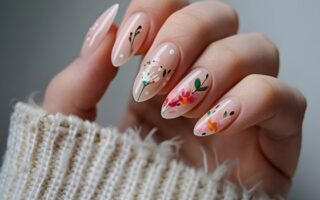
Nature remains one of the richest sources of fashion show theme ideas. Floral and garden themes are especially common because they instantly create softness, color, and freshness. They are ideal for spring collections, romantic styling, or feminine silhouettes. When used carefully, they can feel elegant rather than predictable.
Other nature-based concepts include forest themes, desert tones, coastal moods, tropical settings, and elemental ideas such as earth, fire, air, and water. These themes give designers room to work with texture, movement, lighting, and layered visual storytelling. A coastal theme, for example, can bring calm colors and light fabrics, while a desert theme can create warmth, depth, and a more grounded mood.
Nature-inspired concepts also work well with sustainability-focused fashion. Designers who want to highlight eco-friendly fabrics, slow fashion, or natural materials often find that this type of theme supports their message well. The key is to keep the styling balanced so that the stage and decorative elements support the clothes rather than distract from them.
Cultural And Artistic Fashion Show Themes
Cultural themes can be visually rich and memorable when approached with care and respect. A fashion show inspired by heritage, traditional craftsmanship, textile history, or regional color stories can create a meaningful experience. This approach often works best when the collection genuinely connects to the cultural reference rather than using it as decoration.
Artistic themes can also bring depth to a show. Some collections are inspired by painting styles, film moods, theatre, literature, or music history. These themes help create a strong emotional tone. They can make the show feel more thoughtful and creative, especially when the designer has a clear story behind the work.
When choosing cultural or artistic fashion show themes, authenticity matters. It is important to avoid shallow styling or unclear references. Audiences respond more positively when a concept feels informed, respectful, and well-developed. That kind of care adds trust and makes the show feel more meaningful.
Fashion Show Themes For Different Events
Not every fashion show needs the same kind of theme. Student fashion shows often benefit from themes that allow room for experimentation. Creative freedom, bold visuals, and concept-driven storytelling can work very well in an academic setting. These events often succeed when the theme gives students a chance to express identity and originality.
Boutique or retail fashion shows usually need a more practical approach. The theme should help sell the mood of the collection without making the clothes feel too costume-like. Lifestyle themes, seasonal ideas, and clean modern concepts often work well here because they make the clothing feel stylish and wearable.
Luxury brand shows often do best with focused, elegant themes. They do not always need large or complicated visuals. In many cases, a refined setting, strong lighting, and careful pacing are enough. Charity or community events may need themes that are uplifting, inclusive, and easy for a broad audience to enjoy. The theme should always fit the event’s goal, scale, and audience expectations.
How To Bring A Fashion Show Theme To Life
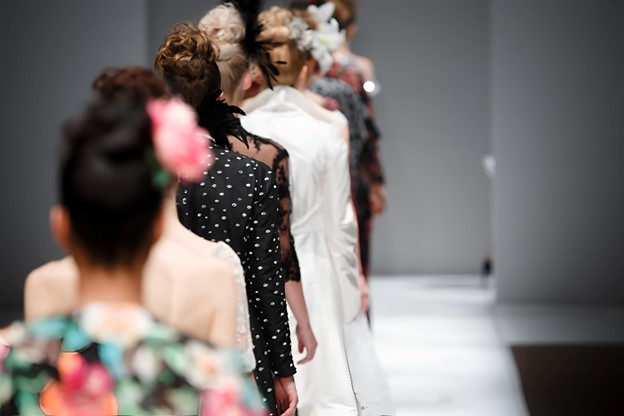
A theme only works when it is visible in the full presentation. It should appear in the garments, but also in the hair, makeup, accessories, music, lighting, stage design, and model movement. These details do not need to be loud. They simply need to feel connected. That connection is what makes a fashion show feel complete.
Music is especially important. The right soundtrack can shape how the audience feels and how the looks are remembered. A futuristic theme may need sharp, modern sound. A soft romantic concept may suit something slower and more atmospheric. The music should support the theme without taking attention away from the runway.
Lighting and pacing also matter. Bright lighting may suit a clean, modern show, while darker tones may work for a dramatic concept. The order of the looks should also match the story of the show. A strong opening creates interest, and a strong ending leaves a final impression. When these elements work together, the theme feels real instead of forced.
Common Mistakes To Avoid
One common mistake is choosing a theme that is too broad. Words like “beauty,” “style,” or “dream” may sound attractive, but they can be too vague to guide real creative decisions. A better theme is clear enough to influence the clothing, set, styling, and mood in a practical way.
Another mistake is copying famous runway shows too closely. Inspiration is normal, but direct imitation often feels unoriginal. Audiences can usually tell when a concept lacks its own identity. It is better to take a familiar idea and give it a fresh angle through color, storytelling, casting, or styling.
Some fashion shows also fail because the theme becomes more important than the clothing. This happens when the stage is overloaded with props, effects, or decoration. The theme should frame the garments, not compete with them. In the end, the clothes still need to remain the heart of the event.
Tips For Creating An Original Theme
Originality does not always mean inventing something nobody has ever seen before. In fashion, originality often comes from how a theme is interpreted. A familiar idea can still feel new when it is combined with a specific mood, unexpected color direction, or personal design point of view.
One useful method is to combine two ideas. Instead of choosing only “nature,” you might build a concept around “urban garden” or “desert minimalism.” Instead of simply using “retro,” you might shape it into “modern 90s elegance.” This creates more depth and gives the show a stronger identity.
It also helps to write the theme in one sentence before planning the event. If the concept can be described clearly in a single line, it usually means the idea is focused enough to guide the rest of the show. That kind of clarity makes styling, promotion, and production easier from beginning to end.
Popular Fashion Show Theme Ideas
There are many fashion show themes that continue to attract attention because they are flexible and visually strong. Retro revival is a popular choice because it allows designers to revisit classic silhouettes with a fresh twist. Midnight glamour creates a dramatic evening mood and works well for formalwear or statement pieces.
Garden bloom, ocean breeze, desert tones, and forest calm remain strong options for nature-inspired collections. Urban edge, street luxury, and city nights suit modern and youth-focused fashion. Monochrome elegance, metallic future, art gallery mood, and dreamscape runway are also effective ideas for brands that want a polished and memorable concept.
The strongest choice depends on the collection itself. A good theme should not be selected only because it sounds appealing. It should make the garments easier to understand, easier to style, and easier for the audience to remember.
Conclusion
Fashion show themes play a major role in shaping how a runway event feels and how it is remembered. They help connect the visual details, strengthen the message of the collection, and create a more engaging experience for the audience. Whether the theme is classic, modern, nature-inspired, artistic, or highly minimal, the goal is always the same: to support the clothing and give the show a clear identity.
The best fashion show themes are not always the most dramatic or expensive. They are the ones that fit the collection, the audience, the venue, and the purpose of the event. When the concept is clear and the execution is thoughtful, even a simple runway can leave a strong impression.
FAQ’s:
What Are Fashion Show Themes?
Fashion show themes are the main ideas or concepts that guide the style, mood, and presentation of a runway event.
Why Are Fashion Show Themes Important?
They help create a clear identity for the show and connect the outfits, music, lighting, and overall atmosphere.
How Do I Choose The Best Fashion Show Theme?
Choose a theme that matches your collection, audience, venue, and budget.
What Are Some Popular Fashion Show Themes?
Popular choices include retro glamour, futuristic style, nature-inspired concepts, street fashion, and minimalist elegance.
Can A Simple Fashion Show Theme Still Work Well?
Yes, a simple theme can work very well if it is clear, well-planned, and supports the clothing properly.
Want glowing skin and gorgeous hair? Visit our website for the latest beauty tips and expert advice.
Disclaimer:
This article is for general informational and creative planning purposes only. Fashion show themes, styling choices, and event ideas can vary depending on your audience, budget, venue, and brand goals. Readers should use these suggestions as inspiration and adapt them to their own needs, resources, and professional requirements.