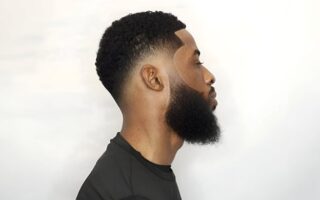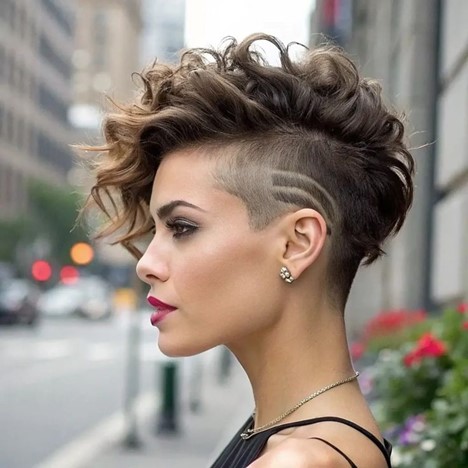
A women’s undercut is a hairstyle where part of the hair is shaved or clipped very short while the rest remains longer. The shaved section is usually on the sides or at the back of the head, creating contrast and shape. Over the past decade, this style has moved from being seen as bold or alternative to becoming a mainstream choice for women of all ages. Today, the women’s undercut is popular because it offers flexibility. It can look edgy and dramatic, or soft and subtle, depending on how it is styled.
Many women choose this haircut because it allows them to express personality while keeping styling options open. You can hide it under longer layers for a professional setting, or show it off with a ponytail or bun. This balance between confidence and practicality is one reason the women’s undercut continues to trend. In this guide, you will learn about different variations, how to choose the right one, styling advice, maintenance tips, and what to consider before making the cut.
What Is A Women’s Undercut?
A women’s undercut involves shaving or closely trimming a section of hair while leaving the top or outer layers longer. The length difference creates contrast, which is the defining feature of the style. The shaved area can be very short, such as a clipper guard number one or two, or slightly longer for a softer effect.
This hairstyle works with many hair types, including straight, wavy, curly, and coily textures. It also pairs well with short cuts like pixies as well as longer styles such as bobs or shoulder-length hair. Because the shorter section removes bulk, it can make thick hair easier to manage. At the same time, it can add structure and shape to fine hair when designed carefully.
Why Women Choose An Undercut
There are several practical and personal reasons why women choose this haircut. For some, it is about comfort. Shaving the underside of the hair can reduce heat and weight, especially in warm climates. Thick hair can feel lighter and dry faster after washing.
For others, the choice is about style and identity. A women’s undercut can represent confidence and independence. It allows women to step outside traditional hairstyle norms while still keeping a polished look. Because the longer hair can cover the shaved section, the style also gives flexibility. You can switch between a bold appearance and a more classic look in minutes.
Another reason is ease of styling. With less hair underneath, blow-drying and straightening often take less time. Many women find that their hair holds shape better because the undercut removes extra bulk that can cause puffiness.
Popular Variations Of The Women’s Undercut
The women’s undercut is not a single fixed style. There are several variations that change the overall effect. A side undercut involves shaving one side of the head while keeping the other side longer. This creates a dramatic, asymmetrical look that works well with long layers or a side part.
A nape undercut is more subtle. The shaved area is placed at the back of the head near the neckline. When the hair is worn down, the undercut may not be visible. It becomes noticeable when the hair is tied up. This option is ideal for women who want something modern but still professional.
A full undercut removes hair from both sides and sometimes the back, leaving longer hair only on top. This version is bold and often paired with short pixie cuts or textured crops. Some women also choose to add shaved designs, such as lines or simple patterns, to make the look more personal. These designs require regular maintenance to stay sharp.
Choosing The Right Undercut For Your Face Shape
Face shape plays an important role in deciding how a women’s undercut will look. Women with oval faces are generally suited to most variations because their features are balanced. They can experiment with both subtle and dramatic styles.
For round faces, keeping extra height on top can help create the illusion of length. A side undercut combined with volume at the crown often works well. Women with square faces may prefer softer transitions between shaved and longer hair to avoid emphasizing strong jawlines.
Heart-shaped faces can benefit from a lower undercut placement. Keeping some length around the chin area balances a wider forehead. It is always helpful to consult a professional stylist who can assess your facial features and hair texture before making a final decision.
How To Ask For A Women’s Undercut At The Salon
Clear communication with your stylist is essential. Instead of simply asking for a women’s undercut, explain exactly where you want the shaved section and how short you would like it. Bringing reference photos can make the conversation easier and reduce misunderstandings.
Discuss how visible you want the undercut to be. If you prefer something subtle, ask for a nape undercut that stays hidden when your hair is down. If you want a bold look, mention that you are comfortable with a higher shave line. Also talk about maintenance. Ask how often you will need touch-ups and whether your hair texture requires special care.
A good stylist will consider your lifestyle, workplace environment, and daily routine before picking up the clippers. This professional guidance ensures the final result matches both your expectations and your practical needs.
Styling A Women’s Undercut
Styling depends on the length of the top section. With longer hair, you can create curls, waves, or sleek straight looks that contrast with the shaved area. A high ponytail or bun highlights the undercut and gives a strong, modern appearance.
For shorter styles like pixies, texture is key. Using a light styling cream or matte pomade can add definition without making the hair look stiff. Women with curly or coily hair can enhance natural texture on top while keeping the sides clean and defined.
If you need to hide the undercut, simply part your hair differently or let it fall naturally over the shaved section. This flexibility is one of the main advantages of the women’s undercut. It adapts easily to formal events, office settings, or casual outings.
Maintenance And Growing It Out
Maintenance is an important factor to consider before getting a women’s undercut. The shaved area typically needs trimming every two to four weeks to maintain a neat appearance. If you prefer a softer look, you can let it grow slightly longer between appointments.
Scalp care is also important. Because the shaved section is more exposed, keeping the scalp moisturized helps prevent dryness. Gentle shampoos and light conditioners can maintain overall hair health without weighing down the longer sections.
Growing out an undercut requires patience. The shorter hair will take time to match the length of the rest. During this stage, creative styling such as braids or strategic parting can help blend different lengths. Some women choose gradual trims to reshape the haircut as it grows.
Pros And Cons Of A Women’s Undercut
Like any hairstyle, a women’s undercut has advantages and disadvantages. On the positive side, it reduces bulk, shortens styling time, and offers a bold, customizable look. It can make thick hair easier to manage and create a unique visual statement.
On the other hand, the style requires regular upkeep to stay sharp. Growing it out can feel awkward during transitional stages. In conservative workplaces, a visible undercut may not always align with dress codes, although a hidden version often solves this concern.
Considering both sides helps you make an informed decision. It is important to choose the style for yourself rather than following a trend without reflection.
Is A Women’s Undercut Right For You?
Deciding whether a women’s undercut is right for you depends on your lifestyle, confidence level, and willingness to maintain it. If you enjoy experimenting with your appearance and want a haircut that stands out, this style can be a rewarding choice. It works well for women who like versatility and appreciate a mix of bold and practical design.
However, if you prefer low-maintenance haircuts that require minimal salon visits, you may need to think carefully. The shaved section does demand consistent trimming. Speaking with a trusted stylist and considering your daily routine can help you decide with confidence.
Conclusion
The women’s undercut is more than just a haircut. It is a versatile style that combines practicality with self-expression. By shaving or trimming a section of hair while keeping the rest longer, this look creates contrast and personality. It can be subtle and hidden or bold and dramatic, depending on placement and styling.
Before choosing a women’s undercut, consider your face shape, hair type, and maintenance commitment. Clear communication with a stylist and realistic expectations will lead to better results. When done thoughtfully, this hairstyle offers comfort, flexibility, and a fresh modern edge. For many women, it is not just a trend but a confident step toward expressing who they are.
FAQ’s
Does A Women’s Undercut Damage Your Hair?
No, a women’s undercut does not damage your hair when done properly. The shaved section simply removes hair, and the remaining hair stays healthy as long as you maintain a good hair care routine.
How Often Should I Trim A Women’s Undercut?
Most women need a touch-up every 2 to 4 weeks to keep the shaved area clean and sharp. The exact timing depends on how fast your hair grows and how neat you want it to look.
Can I Hide My Undercut For Work Or Formal Events?
Yes, especially if you choose a nape or low undercut. You can easily cover it by wearing your hair down or changing your part.
Is A Women’s Undercut Suitable For Curly Or Thick Hair?
Yes, it works very well for curly and thick hair. In fact, it can reduce bulk and make styling easier while highlighting your natural texture.
How Long Does It Take To Grow Out A Women’s Undercut?
Growing it out can take several months, depending on the shaved length and your hair growth rate. During this time, strategic trims and creative styling can help blend different lengths.
Want glowing skin and gorgeous hair? Visit our website for the latest beauty tips and expert advice.
Disclaimer
The information provided in this article about the women’s undercut is for general educational and informational purposes only. While every effort has been made to ensure accuracy and relevance, hairstyle results may vary depending on individual hair type, face shape, and personal preferences. This content should not replace professional advice from a licensed hairstylist or hair care specialist. Before making any major changes to your hairstyle, it is recommended to consult with a qualified professional who can assess your specific needs. The website is not responsible for any outcomes resulting from the use of the information shared in this article.