The word mohawk can mean different things depending on the context, and that is exactly why it continues to attract attention online. Some people search for mohawk to learn about the bold hairstyle, while others want to understand its historical and cultural roots. In modern usage, the mohawk is most commonly recognized as a hairstyle with shaved sides and a strip of longer hair running from the forehead to the back of the head. However, the term is also connected to the Mohawk people, one of the Indigenous nations of North America.
In this guide, you will get a complete understanding of what a mohawk is, where the term comes from, how the hairstyle evolved, and how it is styled and maintained today. Whether you are considering getting one or simply researching its background, this article will give you clear, well-researched, and useful information in a simple and practical way.
The Origin And Meaning Of The Word Mohawk
The word mohawk has deep historical roots. It is derived from the name of the Mohawk people, who are part of the Haudenosaunee Confederacy, also known as the Iroquois Confederacy. Historically, European settlers adapted Indigenous names into English spellings, and “Mohawk” became the common term used in written records.
Over time, the meaning of the word expanded beyond its original cultural identity. In the 20th century, the term began to be used for a hairstyle that was believed to resemble certain traditional Indigenous haircuts. However, historians point out that the modern mohawk hairstyle is not an exact copy of any single traditional tribal style. The name stuck largely because of pop culture and media references rather than strict historical accuracy.
Understanding this distinction is important. The mohawk hairstyle and the Mohawk people are not the same thing, and confusing the two can lead to misunderstandings. When writing or speaking about the hairstyle, it is helpful to be aware of the term’s cultural background.
The Mohawk People And Their Cultural Significance
The Mohawk people are one of the original nations of the Haudenosaunee Confederacy in North America. Traditionally located in areas that are now parts of New York State and southeastern Canada, the Mohawk Nation has a long and rich history. Their society was organized, politically advanced, and deeply connected to land, family systems, and oral traditions.
The Mohawk language, part of the Iroquoian language family, remains an important part of cultural preservation efforts today. Community programs continue to promote language learning and traditional practices to ensure that cultural knowledge is passed on to future generations.
It is important to approach this topic respectfully. While the hairstyle carries the name, the Mohawk people have their own distinct identity, culture, and history that extend far beyond fashion trends. A well-informed article about mohawk should always acknowledge this background in a factual and balanced way.
The Mohawk Hairstyle: What It Looks Like
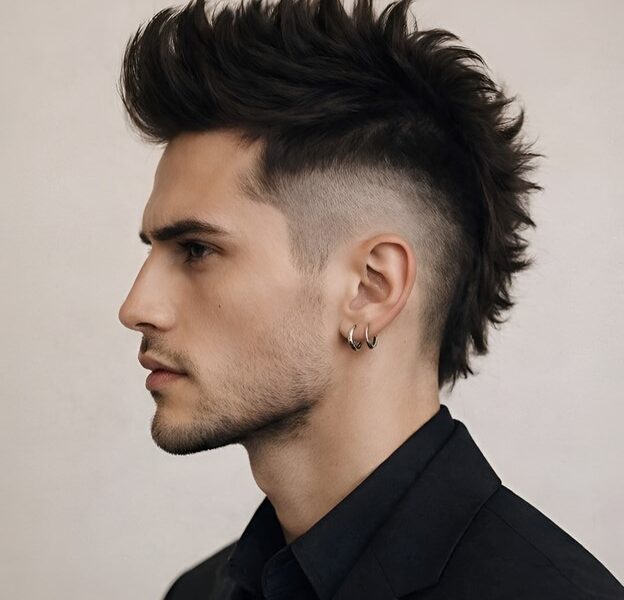
When most people search for mohawk today, they are looking for information about the hairstyle. The classic mohawk features shaved or closely trimmed sides with a strip of longer hair running down the center of the scalp. This central strip can vary in width, length, and styling depending on personal preference.
Some mohawks are styled to stand upright using strong hair products, creating a sharp and dramatic appearance. Others are left natural or slightly textured for a more relaxed look. The versatility of the mohawk is one of the reasons it remains popular across different age groups and fashion styles.
The hairstyle can be adapted to suit straight, wavy, curly, or coiled hair. It can also be combined with fades, undercuts, braids, or color treatments. Because of this flexibility, the modern mohawk has moved beyond its rebellious roots and become a mainstream haircut option.
The Rise Of The Mohawk In Modern Fashion
The mohawk gained significant popularity during the punk movement of the 1970s and 1980s. Punk culture embraced bold self-expression, and the sharp, upright mohawk became a visual symbol of individuality and resistance to social norms. Musicians and underground artists helped push the hairstyle into public awareness.
As media exposure increased, the mohawk began appearing in films, music videos, and sporting events. Over time, it lost some of its association with rebellion and became more widely accepted. Athletes, actors, and fashion influencers experimented with different versions of the cut, making it more accessible to the general public.
Today, the mohawk is no longer limited to a single subculture. It appears in high-fashion editorials, casual streetwear styles, and even professional settings in toned-down variations. This shift demonstrates how hairstyles evolve as society changes.
Popular Variations Of The Mohawk
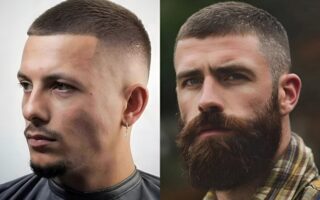
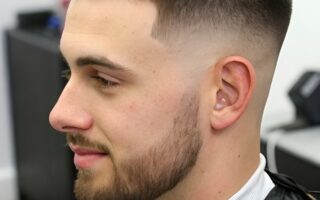
There are several variations of the mohawk that suit different preferences and lifestyles. The fauxhawk is one of the most popular alternatives. Instead of shaving the sides completely, the hair is tapered or faded, creating the illusion of a mohawk without the dramatic contrast. This version is easier to maintain and often considered workplace-friendly.
Another variation includes the braided mohawk, where the center strip is styled into braids while the sides remain short. This style is especially popular among individuals with textured hair. There is also the curly mohawk, which allows natural curls to form the central feature without heavy styling products.
Color is another area where creativity comes into play. Some people choose bold shades like blue, red, or platinum blonde to make a statement, while others prefer subtle highlights. These variations show that the mohawk is not a one-size-fits-all haircut but a flexible style that can reflect personal identity.
How To Get A Mohawk Haircut
Getting a mohawk requires careful planning, especially if it is your first time. The most reliable approach is to visit an experienced barber or stylist who understands modern cutting techniques. Bringing reference photos can help ensure that you and your barber share the same vision.
The process usually begins with sectioning off the central strip of hair. The sides are then shaved or clipped down to the desired length. Precision is important because uneven lines can affect the overall appearance. Once the sides are finished, the center strip is trimmed and shaped.
If you prefer to cut your hair at home, use quality clippers and take your time. Start with longer guard settings and gradually go shorter if needed. It is easier to remove more hair than to fix a mistake caused by cutting too short too quickly.
Styling And Maintaining A Mohawk
Maintenance plays a major role in keeping a mohawk looking sharp. If the sides are shaved very close to the scalp, they may need trimming every one to two weeks to maintain contrast. Allowing them to grow out can quickly change the style’s overall shape.
For upright styles, strong-hold gel, pomade, or styling spray is typically required. Apply product evenly and use a comb or fingers to shape the hair upward. A blow dryer can add extra volume and help set the style in place.
For softer versions like the fauxhawk, lighter styling cream may be enough. Regular washing and conditioning are also important, especially if you use heavy products frequently. Healthy hair ensures that the central strip remains strong and manageable.
The Symbolism Of The Mohawk Today
The mohawk has long been associated with confidence and individuality. In earlier decades, it symbolized rebellion against mainstream expectations. While that meaning still exists for some, the style now carries a broader interpretation.
Today, a mohawk can simply represent creativity, bold fashion sense, or personal transformation. Some people choose it after major life changes as a way to mark a new beginning. Others enjoy the practicality of having short sides with manageable length on top.
Cultural awareness also plays a role in modern discussions. Many people are more mindful of the hairstyle’s name and origins, choosing to appreciate it while respecting its historical background. This balanced understanding reflects a more informed approach to fashion.
Conclusion
The mohawk is more than just a striking haircut. It is a term with historical roots, cultural connections, and decades of evolving fashion influence. From its origins linked to the Mohawk people to its rise in punk culture and mainstream style, the mohawk has undergone significant transformation.
If you are considering getting a mohawk, understanding its background helps you appreciate it on a deeper level. The hairstyle offers flexibility, bold expression, and room for creativity, making it suitable for many different personalities and lifestyles.
By learning about its history, variations, and maintenance, you can make an informed decision and style it in a way that feels authentic to you. That combination of knowledge and personal expression is what keeps the mohawk relevant and widely searched today.
FAQ’s
What Is A Mohawk Hairstyle?
A mohawk is a haircut where the sides of the head are shaved or closely trimmed, leaving a strip of longer hair running from the front to the back of the head.
Is The Mohawk Hairstyle Connected To The Mohawk People?
The name comes from the Mohawk Nation, but the modern mohawk hairstyle is not an exact replica of traditional Indigenous hairstyles. The connection is mainly historical and linguistic.
How Long Does A Mohawk Haircut Last Before It Needs Maintenance?
Most mohawks need trimming every one to two weeks, especially if the sides are shaved very short. Regular upkeep keeps the style looking sharp.
Can A Mohawk Work For All Hair Types?
Yes, a mohawk can be styled on straight, wavy, curly, or coiled hair. The final look depends on hair texture and the styling method used.
Is A Mohawk Suitable For Professional Settings?
It depends on the workplace. Softer versions like a fauxhawk or tapered mohawk are often more acceptable in professional environments than dramatic, spiked styles.
Want glowing skin and gorgeous hair? Visit our website for the latest beauty tips and expert advice.
Disclaimer
This article is published for informational and educational purposes only. While we have made every effort to provide accurate and well-researched information about the mohawk, cultural background, and hairstyle trends, the content should not be considered professional hair, cultural, or historical advice. Styles, interpretations, and cultural discussions may vary based on individual perspectives and sources.