Choosing between a mid fade and a low fade sounds simple at first, but once you sit in the barber chair, the difference matters more than most people expect. Both styles are clean, modern, and easy to pair with many haircuts, yet they create a different overall look. The height of the fade changes how sharp the haircut feels, how much contrast it creates, and how noticeable it looks from the front and sides.
For many people, the real question is not which fade is better in general. It is which fade works better for their face shape, hair type, daily routine, and personal style. A haircut that looks great on one person may feel too bold or too soft on someone else. That is why it helps to understand the actual difference before choosing one.
This guide explains mid fade vs low fade in a practical way. It covers how each style looks, who it suits best, how it grows out, what it needs from a barber, and how to decide based on real-life use instead of haircut trends alone.
What Is A Fade Haircut?
A fade haircut is a style where the hair gradually changes from longer at the top to shorter on the sides and back. In many cases, it blends down to very short hair or even skin near the neckline and around the ears. The transition is the key part of the cut. A good fade does not look harsh or disconnected. It looks smooth, balanced, and clean.
Fades have become popular because they work with many different hairstyles. They can be paired with short crops, side parts, curls, textured tops, slick backs, pompadours, and many other looks. They also suit different age groups because the fade itself can be adjusted to look subtle or more striking.
The main thing that changes one fade from another is where the fade starts. That is exactly where the difference between a mid fade and a low fade begins.
The Main Difference Between Mid Fade And Low Fade
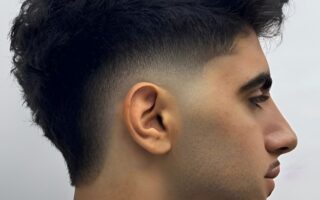
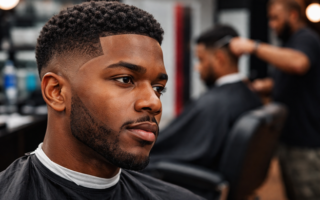
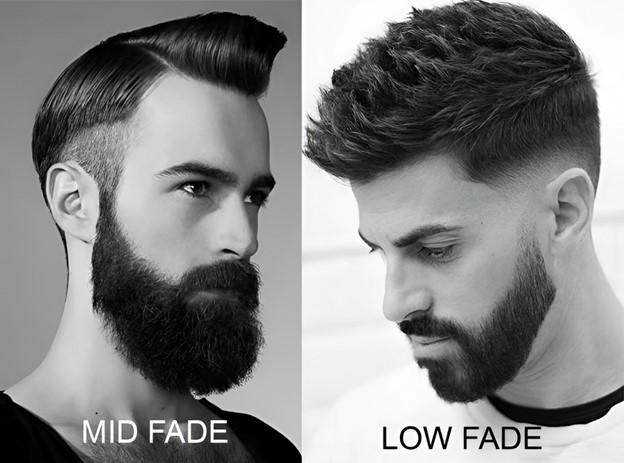
The difference between a mid fade and a low fade is mostly about placement. A low fade starts lower on the head, usually just above the ears and around the natural hairline. A mid fade starts higher, around the middle of the sides, usually somewhere between the temple area and the top of the ears.
Because of that placement, a low fade gives a softer and more understated look. It keeps more hair on the sides for longer before blending down. A mid fade creates more visible contrast because the shorter section reaches higher up the head. This makes the haircut stand out more.
Neither option is automatically better. A low fade usually feels more classic and controlled, while a mid fade tends to look sharper and a little more modern. Even if the top haircut stays exactly the same, changing the fade height can change the whole appearance.
How A Low Fade Looks And Feels
A low fade is often the safer choice for someone who wants a clean haircut without making the fade the most noticeable part of the style. It sits low around the ears and neckline, so the haircut looks neat but not too dramatic. This is one reason many people choose it for a polished everyday appearance.
The low fade works especially well for men who like softer transitions. If you do not want the sides to look too exposed or too sharp, this style gives a balanced finish. It also blends nicely with longer hair on top because the change in length feels more gradual.
In real life, a low fade often looks easier to wear in professional settings. It suits office environments, formal situations, and anyone who prefers a haircut that looks tidy without drawing too much attention. It is also a strong option for first-time fade clients because it is less aggressive and easier to get comfortable with.
How a Mid Fade Looks and Feels
A mid fade is more noticeable than a low fade because it starts higher on the head. That extra height removes more bulk from the sides and creates stronger contrast between the top and the faded area. As a result, the haircut usually looks cleaner, sharper, and more defined.
This style is popular because it sits in the middle. It is bolder than a low fade but not as extreme as a high fade. That balance makes it appealing for people who want a modern haircut without going too far. It often works well with styles that need shape and separation, such as textured crops, quiffs, curls, and short pompadours.
A mid fade can also make the haircut photograph better because the structure shows more clearly from different angles. For people who like a more styled or trend-aware appearance, it often feels like the more expressive option.
Mid Fade Vs Low Fade For Face Shape
Face shape plays a big part in how each fade looks. A low fade can be a smart choice for people who want to keep more softness around the sides of the head. Because it does not rise too high, it can help maintain balance and avoid making the head look too narrow.
A mid fade can add more structure. On rounder face shapes, that extra contrast may help create a sharper outline. It can make the haircut feel more defined, especially when paired with some volume on top. On oval faces, both a mid fade and a low fade usually work well, so the choice often comes down to style preference.
People with longer face shapes should think carefully about how much height they combine with a fade. A mid fade with a tall hairstyle on top can make the face appear longer. In that case, a lower fade and a more controlled top may create a more balanced look. Square faces often suit both styles because strong jawlines usually work well with clean side transitions.
Mid Fade Vs Low Fade For Hair Type
Hair texture changes the way a fade looks. On straight hair, both a low fade and a mid fade show clearly because the hair lies flat and exposes the blend more easily. A mid fade on straight hair usually looks very crisp, while a low fade keeps things softer.
On thick hair, both styles can work well, but the result depends on how much bulk is removed. A low fade keeps more weight on the sides, which can be useful if the top is longer. A mid fade removes more density, which often makes thick hair easier to manage and style.
Wavy and curly hair can look excellent with either option. A low fade gives a more natural and relaxed shape, while a mid fade makes the texture on top stand out more. With curlier hair, the contrast created by a mid fade can look very stylish because it frames the curls more clearly.
For coily hair, both cuts can work, but the final look depends heavily on blend quality, shape, and line work. A skilled barber matters even more here because the fade needs to suit the natural growth pattern and hair density.
Which Fade Is Better For A Professional Look?
If the goal is a more conservative or office-friendly haircut, the low fade often has the advantage. It is subtle, clean, and less likely to look too sharp in formal environments. It gives structure without becoming the main focus of the hairstyle.
That does not mean a mid fade cannot look professional. A well-cut mid fade with a neat top can still be appropriate in many workplaces. The difference is that it usually looks more deliberate and more styled. In a creative field or a relaxed work setting, that can be a benefit rather than a problem.
The better question is how much contrast you want. If you want something that blends into your overall appearance in a clean way, a low fade often feels right. If you want your haircut to have more definition and personality, a mid fade is usually the stronger choice.
Which Fade Is Easier To Maintain?
Maintenance is one of the most important differences between these two styles. A low fade usually grows out more softly because the transition starts closer to the natural hairline. As new hair comes in, the haircut often stays balanced for longer.
A mid fade can still grow out well, but because it is more defined at the start, the difference becomes more visible as time passes. If you like your fade looking fresh and sharp all the time, you may need barber visits more often with a mid fade.
For people who do not get frequent haircuts, a low fade is often the easier option. It keeps a cleaner shape without needing constant upkeep. A mid fade rewards regular maintenance, especially if it is paired with a detailed lineup or a skin finish.
How Each Fade Works With Different Hairstyles
A low fade pairs well with classic hairstyles. Side parts, comb overs, slick backs, and neat textured styles all work nicely with it. Because the fade stays lower, the top remains the main feature without too much contrast from the sides. This makes it a strong match for timeless cuts.
A mid fade works well with more modern styles that benefit from visible shape. Textured crops, short messy tops, quiffs, curly tops, and trendy cuts often look stronger with a mid fade because it sharpens the outline and draws more attention to the top section.
If you wear a beard, both styles can work, but blending becomes important. A low fade usually transitions into facial hair more gently. A mid fade can create a bolder connection between the haircut and the beard, which some people prefer for a cleaner and more sculpted look.
How To Choose Between Mid Fade And Low Fade
The easiest way to decide is to think about your daily style, not just haircut photos. If you like subtle grooming, wear classic hairstyles, or want a fade that stays presentable longer, a low fade is often the better fit. It is practical, clean, and easy to live with.
If you like sharper cuts, want more contrast, or enjoy putting effort into styling your hair, a mid fade may suit you better. It gives more visual impact and often makes the whole haircut feel more intentional.
You should also think about how often you visit the barber. Many people choose a fade based only on appearance, then realize later that the upkeep does not match their routine. A haircut should fit your schedule as well as your taste.
What To Tell Your Barber
One common mistake is asking for a fade without explaining the result you want. Saying “mid fade” or “low fade” helps, but it does not tell the full story. The barber also needs to know how short you want the fade to go, how much length you want on top, and whether you want a soft finish or a sharper look.
It helps to bring a reference photo, but you should still describe what you like in that photo. Some people like the fade height but not the skin exposure. Others like the top but want a softer blend. The more specific you are, the better the result tends to be.
A useful approach is to say whether you want something subtle and natural or clean and high-contrast. That kind of description often tells the barber more than haircut labels alone.
Common Mistakes People Make
A lot of people choose a fade based only on what is trending online. That can lead to the wrong decision because the same haircut does not behave the same way on every hair type or face shape. What looks sharp on one person may feel too harsh on another.
Another mistake is ignoring grow-out. A haircut can look great on day one and frustrating after two weeks if it does not fit your maintenance habits. This is where many people end up preferring a low fade after trying a mid fade, or the opposite.
Some also confuse fade height with fade finish. A low fade can still be very short near the bottom, and a mid fade can still be softened depending on the blend. That is why haircut labels are helpful, but they are not the full story.
Conclusion
When comparing mid fade vs low fade, the real difference comes down to height, contrast, and overall effect. A low fade starts lower and creates a softer, more understated look. A mid fade starts higher and gives the haircut more shape, edge, and visibility.
The best choice depends on what you want from your haircut. If you prefer a classic, subtle, and easier-to-maintain style, a low fade is usually the stronger option. If you want a cleaner outline, more contrast, and a more modern finish, a mid fade may suit you better.
In the end, both styles are solid choices. The right one is the one that matches your face shape, hair type, lifestyle, and grooming routine. When you understand that, choosing between a mid fade and a low fade becomes much easier.
FAQ’s
What Is The Main Difference Between A Mid Fade And A Low Fade?
A mid fade starts higher on the sides, while a low fade starts closer to the ears and neckline.
Is A Low Fade Better For Professional Settings?
Yes, a low fade usually looks more subtle and works well in formal or office environments.
Does A Mid Fade Need More Maintenance?
Yes, a mid fade often needs more frequent touch-ups because the contrast is more visible as it grows out.
Which Fade Is Better For Curly Hair?
Both can work well, but a mid fade often makes curls stand out more, while a low fade gives a softer look.
Which Fade Should Beginners Try First?
A low fade is often the better choice for beginners because it looks clean without being too bold.
Want glowing skin and gorgeous hair? Visit our website for the latest beauty tips and expert advice.
Disclaimer
This article is for general informational purposes only. Haircut results can vary based on your hair type, face shape, hair density, and your barber’s technique. What works well for one person may not look the same on another. For the best result, always discuss your preferences with a professional barber before choosing between a mid fade and a low fade.