A low burst fade is one of those haircuts that looks sharp in photos, but still feels easy and “normal” in real life. It keeps the fade low around the ear and toward the neckline, creating a smooth, rounded blend that frames the side of your head without looking too extreme. If you like modern fades but don’t want a super high contrast cut, the low burst fade is a great middle ground: it’s clean, stylish, and works with a lot of hair types—from straight and thick to curly and coily.
In this guide, you’ll learn what a low burst fade actually is, how it differs from other fades, which styles pair best with it, how to ask your barber clearly, and how to maintain it so it stays crisp between haircuts. I’ll keep it practical and easy to follow, so you can walk into a barbershop knowing exactly what you want.
What A Low Burst Fade Is (and What It Looks Like)
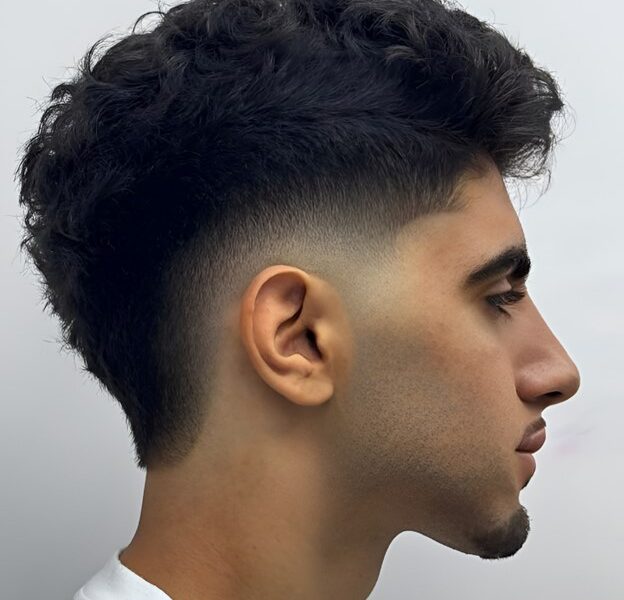
A burst fade is a fade that “bursts” in a curved shape around the ear, usually forming a semi-circle or halo-like blend. Instead of fading straight up the sides like a typical fade, the blend is shaped to wrap around the ear and flow toward the back of the head. The “low” part means the fade starts lower and stays closer to the natural hairline, rather than climbing high toward the temples or the crown.
Visually, a low burst fade keeps more hair on the sides than a mid or high burst fade. The contrast is softer, and the fade sits lower behind the ear and along the nape. From the side, you’ll notice a clean arc that outlines the ear area in a flattering way. From the back, it often looks slightly rounded and tidy, especially if the barber blends it smoothly into the neckline.
If you want a haircut that feels modern but still looks balanced, low is often the safest and most wearable version of the burst fade.
Low Burst Fade Vs Other Popular Fades
Many people search “low burst fade” because they’ve seen a cut online but aren’t sure how to describe it—or they’re mixing it up with other fades. Understanding the differences helps you avoid leaving the shop with something you didn’t ask for.
A low burst fade is different from a low skin fade because the shape is different. A low skin fade usually rises evenly along the sides and back in a more standard pattern. A burst fade is specifically shaped around the ear, and it tends to emphasize that rounded “burst” silhouette.
It also differs from a drop fade. A drop fade “drops” lower behind the ear toward the neckline, creating a curved fade line in the back. A burst fade wraps around the ear like a halo. Some haircuts combine elements of both, so the best way to avoid confusion is to mention “burst around the ear” when you talk to your barber.
Compared with a taper, the low burst fade is stronger and more noticeable. A taper keeps most of the hair length and only gradually shortens at the sideburns and neckline. If you want something subtle for work or school, a taper might be enough. If you want cleaner sides and a more defined shape, a low burst fade is the step up.
Who The Low Burst Fade Works Best For
One reason the low burst fade is so popular is that it fits a wide range of head shapes and hair textures. The curved fade around the ear creates a natural frame that can make the haircut look more “designed” without needing high height or aggressive contrast.
For straight hair, a low burst fade gives structure and prevents the sides from looking bulky. For wavy hair, it removes weight around the ear so the natural wave pattern on top looks cleaner. For curly hair, it’s especially effective because the fade highlights the curl volume on top while keeping the perimeter tidy. For coily hair, it can look extremely sharp when the fade is blended smoothly and the top is shaped with a clean outline.
It’s also a good option if you’re growing your hair out, because the low placement helps you keep a clean look while leaving more length to work with. And if you have a beard, the low burst fade can be blended into the beard line for a smooth transition that looks intentional rather than chopped.
Best Low Burst Fade Styles To Try
The low burst fade is not just one haircut—it’s a fade pattern that pairs with many different top styles. Picking the right pairing depends on your hair texture, how much time you want to spend styling, and the overall vibe you want.
A textured crop with a low burst fade is one of the easiest choices. The top stays short to medium, and the messy texture makes the fade look modern without needing daily effort. If you like a clean look but don’t want a high-maintenance style, this is a great option.
Curly top styles are a perfect match for a low burst fade. The burst shape around the ear frames the curls and makes the haircut look balanced. If your curls are dry or frizzy, a light curl cream can make a huge difference in how “finished” the cut looks.
A low burst fade with a blowout or voluminous top looks bold but still wearable because the fade stays low. This works well for thick hair and for people who like a slightly dramatic shape on top. The key is keeping the fade blended and not too high, otherwise the haircut can start to look like a high-contrast style you didn’t intend.
The modern mullet paired with a low burst fade has become a trend because the burst fade cleans up the sides while leaving length at the back. If you like that style, the low burst fade keeps it from looking messy. It also grows out better than many high fades.
Buzz cut variations can also work with a low burst fade. This is a good option if you want something low maintenance but still sharp. The burst fade adds interest around the ear area, even when the top is very short.
Finally, a low burst fade with a beard blend is one of the cleanest looks for adults. When the fade transitions naturally into the beard line, it looks professional and intentional. It’s also a great way to make a haircut look fresh even if you’re not changing the top much.
How To Ask Your Barber For A Low Burst Fade (so You Get Exactly What You Want)
Most “bad haircut” stories happen because the client and barber had different pictures in their minds. The easiest way to avoid that is to use clear, simple language and show one reference photo if possible. You don’t need barber jargon, but a few specific details help a lot.
Tell your barber: “I want a low burst fade around the ear, kept low in the back, with a smooth blend.” That sentence alone usually prevents the barber from giving you a standard fade. If you want it subtle, add: “Not too high—keep more hair on the sides.”
If you know how short you want it, you can mention your preference. For example, you can ask for skin at the bottom or a very short guard, then blended up softly. If you don’t like skin showing, say you want it started with a small guard instead of going to skin. A good barber will adjust to your comfort level and your hair texture.
Also mention the top. Say whether you want it left longer, textured, curly, or shaped into a quiff or crop. The low burst fade is only one part of the haircut; the top determines whether it feels sporty, professional, or trendy.
If you wear a beard, ask for the fade to blend into the beard. If you prefer a sharp outline, you can request a clean lineup—but if you want a more natural look that grows out better, ask for a softer line.
How To Style A Low Burst Fade At Home
Styling a low burst fade is mostly about the top, because the fade itself is cut into the hair. The good news is that most low burst fade styles don’t require complicated routines. A simple approach usually looks best and most natural.
If you have straight hair, a small amount of matte styling product helps add texture without looking greasy. Work it through slightly damp hair, then use your fingers to shape the top. If you like a neat look, brush it into place and finish with light hold.
If you have wavy hair, focus on enhancing your natural wave pattern instead of fighting it. A light mousse or texturizing product can help. Scrunch gently, then let it air dry or use a hair dryer on low heat. The goal is a controlled, natural finish.
For curly or coily hair, hydration matters more than heavy hold. A curl cream or leave-in conditioner helps define curls and reduce frizz. If you want extra definition, twist or finger-coil a few sections after applying product. If you dry your hair with heat, a diffuser helps keep the curl pattern intact.
One tip that works for almost everyone is to style the top first and clean up the edges last. Once the top looks right, lightly smooth the sides and check the area around the ear. That little detail can make your haircut look fresh even between barbershop visits.
Maintenance And How Often You Should Get A Touch-up
A low burst fade looks best when the outline around the ear stays clean and the blend remains smooth. How often you need a touch-up depends on how fast your hair grows and how sharp you want the fade to look.
If you like a very crisp finish, a touch-up every 2 to 3 weeks keeps it looking fresh. If you don’t mind a more natural grow-out, you can stretch it to 4 weeks, especially if the fade wasn’t taken to skin. The “low” placement tends to grow out a bit more gracefully than high fades, because you’re not relying on extreme contrast.
Between cuts, basic scalp and hair care helps your fade look better. Wash regularly, but don’t over-wash if your hair gets dry. If you use styling products, make sure you rinse well so buildup doesn’t dull the clean look around the fade. If you get dryness or flaking near the hairline, a gentle shampoo and a light moisturizer can keep things tidy.
If you’re tempted to clean up the edges yourself, be cautious. A small mistake near the ear can change the shape of the burst fade quickly. If you do anything at home, keep it minimal—like trimming stray hairs around the neckline—without trying to re-create the blend.
Common Mistakes That Can Ruin A Low Burst Fade Look
The most common mistake is letting the fade climb too high. A low burst fade should stay low. If the barber fades too high above the ear, the haircut can start to look like a mid burst fade or even a high-contrast cut that doesn’t match what you wanted.
Another mistake is a weak blend behind the ear. Because the burst shape wraps around the ear, the back area needs careful blending. If the transition looks patchy or uneven, it can make the haircut look unprofessional even if the rest is fine.
A third issue is not balancing the top with the fade. If the top is too flat, the fade can make the haircut look incomplete. Even with short hair, a little texture or shaping on top helps the whole style look intentional.
Finally, ignoring your natural growth patterns can cause problems. Cowlicks, swirl patterns near the crown, and uneven density can affect how the fade looks from different angles. A skilled barber will adjust the blend and the top shape to work with your hair rather than forcing it into a shape that won’t sit naturally.
Conclusion
A low burst fade is a clean, modern haircut that keeps the fade low and rounded around the ear, creating a sharp look without going over the top. It works with straight, wavy, curly, and coily hair, and it pairs well with everything from a textured crop to a curly top, a blowout, or even a modern mullet. The best results come from clear communication with your barber—ask for a “low burst fade around the ear,” specify how short you want it, and describe the top style you’re aiming for.
FAQ’s
What Is A Low Burst Fade?
A low burst fade is a haircut where the fade curves around the ear in a rounded “burst” shape and stays low on the sides and back. It keeps more hair compared to mid or high burst fades, giving a softer and more wearable look.
Is A Low Burst Fade Good For Curly Hair?
Yes, it works very well with curly hair. The low burst fade removes bulk around the ears while highlighting the natural volume and texture on top, making curls look more defined and clean.
How Is A Low Burst Fade Different From A Drop Fade?
A drop fade dips lower behind the ear toward the neckline, while a burst fade wraps around the ear in a rounded pattern. The shapes are similar but the burst fade focuses more on the circular blend around the ear.
How Often Should I Get A Low Burst Fade Trimmed?
Most people refresh it every 2 to 4 weeks, depending on how fast their hair grows and how sharp they want the fade to look. Shorter fades usually need more frequent touch-ups.
Can I Get A Low Burst Fade Without Showing Skin?
Yes, you can ask your barber to start the fade with a short guard instead of going down to the skin. This creates a softer and more subtle finish while keeping the burst shape intact.
Want glowing skin and gorgeous hair? Visit our website for the latest beauty tips and expert advice.
Disclaimer
The information provided in this article about the low burst fade is for general educational and informational purposes only. Hair type, face shape, and personal style preferences vary from person to person, so results may differ. For the best outcome, always consult a professional and experienced barber who can assess your hair texture, growth pattern, and individual needs before making any changes. This content is not a substitute for personalized grooming advice or professional services.