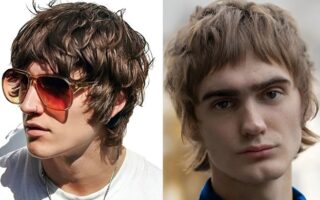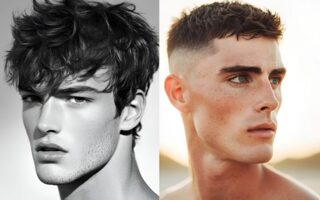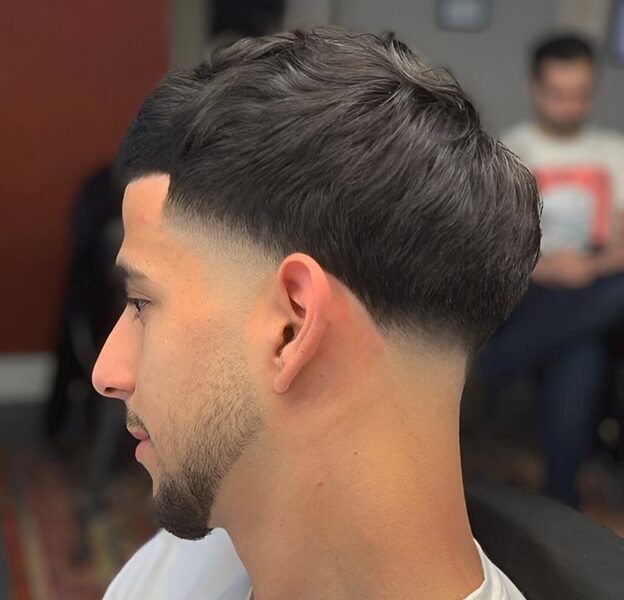
The high taper is one of the most requested modern haircuts in barber shops today. It is clean, sharp, and versatile enough to work in both professional and casual settings. Many men choose a high taper because it creates a fresh appearance without going too extreme. The style keeps length on top while gradually shortening the hair higher up on the sides and back, giving a balanced and structured look.
In recent years, the high taper has gained popularity through athletes, influencers, and everyday professionals who want a haircut that looks polished but not overly dramatic. Unlike trendy styles that fade quickly, this cut has remained relevant because of its flexibility. Whether you prefer a textured top, curls, waves, or a simple comb-over, the high taper adapts easily to different hair types and personal styles.
What Is A High Taper?
A high taper is a haircut where the hair gradually shortens higher on the sides and back of the head. The transition usually begins around the upper temple area and moves downward toward the neckline. Instead of a harsh contrast, the blend is smooth and controlled, creating a clean finish.
The key difference between a high taper and other taper styles is the starting point of the fade. Because it begins higher on the head, the overall appearance is sharper and more defined. However, unlike a skin fade, a high taper does not always go completely down to bare skin. It can maintain slight length near the base, depending on personal preference.
This haircut works well for men who want a structured shape without sacrificing too much length on top. It allows for creativity above while keeping the sides neat and manageable.
Why The High Taper Is So Popular
The high taper remains popular because it strikes the right balance between bold and professional. It adds definition to the head shape while still looking appropriate in workplaces, schools, and formal environments. This makes it ideal for men who want a stylish cut without taking risks.
Another reason for its popularity is its adaptability. It works with straight, wavy, curly, and coily hair textures. Barbers can adjust the blend, sharpness, and length to suit different face shapes. This flexibility makes it a reliable choice for many clients.
Social media has also played a role. Clean taper haircuts photograph well, and the crisp lines stand out in pictures and videos. As more people share their grooming routines online, styles like the high taper continue to gain attention.
High Taper Vs Low And Mid Taper
Understanding how the high taper compares to other taper styles helps in making the right decision. A low taper begins closer to the ear and neckline. It creates a softer, more subtle finish. This option is suitable for those who prefer minimal contrast.
A mid taper starts between the temple and ear, offering moderate sharpness. It sits between subtle and bold, making it a balanced alternative.
The high taper, however, begins closer to the upper temple area. Because of this higher starting point, the sides appear shorter and cleaner. The overall shape looks more defined, and the top stands out more clearly. Choosing between these options depends on how dramatic you want the final look to be.
High Taper Vs High Fade
Many people confuse a high taper with a high fade. Although they are similar, there is a slight difference. A high fade often removes more hair and may go down to the skin, creating a stronger contrast between the top and sides.
A high taper, on the other hand, focuses more on gradual blending. It may not always expose the skin, and the transition is typically softer. The taper keeps some natural fullness near the neckline while still appearing sharp.
For someone new to shorter sides, a high taper can feel less aggressive than a high fade. It offers a clean look without completely changing the head’s silhouette.
Face Shapes That Suit A High Taper
The high taper works well with most face shapes. For oval faces, it enhances natural balance and keeps the proportions even. Since oval shapes are already symmetrical, the taper simply sharpens the edges.
For round faces, the higher blend can create the illusion of more structure. When combined with volume on top, it adds height and reduces the appearance of width.
Square faces benefit from the clean sides because they highlight strong jawlines. Meanwhile, men with longer face shapes should avoid adding too much height on top, as this can make the face appear even longer. In such cases, keeping moderate volume works best.
Hair Types And Texture Compatibility
One of the strongest advantages of the high taper is its compatibility with different hair textures. Straight hair shows the blend clearly, making the transition look sharp and precise. It pairs well with side parts, slick backs, and textured crops.
Wavy hair adds movement and softness to the style. The taper keeps the sides controlled while allowing natural waves to stand out on top.
Curly and coily hair also work extremely well with a high taper. The clean sides highlight the texture above, creating contrast without looking messy. For tighter curls, regular shaping helps maintain definition and avoid bulk near the crown.
How To Ask Your Barber For A High Taper
Clear communication with your barber ensures the best results. When asking for a high taper, mention that you want the blend to start higher near the temples. You can specify whether you prefer a subtle taper or a sharper finish.
It helps to describe how much length you want on top. Some prefer a short, textured top, while others want enough length for styling products. Bringing a reference photo can prevent misunderstandings.
You should also discuss the neckline. Some clients prefer a natural neckline, while others want it sharply lined. Small details like this make a noticeable difference in the final look.
Styling A High Taper
Styling depends on the length and texture of your top hair. For short tops, a light matte pomade or styling cream can add texture without stiffness. This creates a clean but relaxed finish.
For medium-length hair, blow-drying can add volume and shape. Using a small amount of styling product helps hold the structure throughout the day. Avoid heavy gels if you prefer a natural look.
Curly or coily hair benefits from curl-enhancing creams or leave-in conditioners. These products define the texture while keeping the sides neat. Consistency in styling routine keeps the haircut looking fresh.
Maintenance And Upkeep
A high taper requires regular maintenance to keep the blend sharp. Most people visit their barber every two to three weeks. This prevents the sides from growing out unevenly.
Between appointments, simple grooming habits help. Keep the neckline clean if you are comfortable doing light touch-ups. Washing your hair regularly and using suitable products for your texture also maintains the overall shape.
If you prefer a very sharp look, you may need slightly more frequent visits. However, the taper grows out naturally, so it still looks presentable even after a few weeks.
Common Mistakes To Avoid
One common mistake is confusing a high taper with a full high fade. If you do not clarify your preference, you may end up with shorter sides than expected. Clear communication avoids disappointment.
Another mistake is ignoring face shape and hair density. Adding too much height on top can throw off proportions. Similarly, extremely tight sides may not suit everyone’s head shape.
Using too much product can also reduce the clean effect of the haircut. A high taper looks best when the top appears controlled but not heavy.
Conclusion
The high taper continues to be a reliable and stylish haircut choice because of its balance, versatility, and clean finish. It works across different hair textures, face shapes, and personal styles. Whether you prefer a subtle blend or a sharper contrast, this haircut adapts easily to your needs.
By understanding what a high taper involves, how it differs from other cuts, and how to maintain it properly, you can make a confident decision before your next barber visit. With the right communication and simple upkeep, the high taper offers a modern look that stays fresh, professional, and easy to manage.
FAQ’s
What Is A High Taper Haircut?
A high taper is a haircut where the hair gradually shortens higher up on the sides and back, usually starting near the temples, while keeping more length on top.
How Is A High Taper Different From A High Fade?
A high taper blends the hair gradually and may not go down to the skin, while a high fade often creates a stronger contrast and can fade completely to skin.
How Often Should I Maintain A High Taper?
Most people refresh a high taper every 2 to 3 weeks to keep the sides sharp and the blend clean.
Does A High Taper Work With Curly Hair?
Yes, a high taper works very well with curly hair because it keeps the sides neat while highlighting the natural texture on top.
Is A High Taper Suitable For Professional Settings?
Yes, the high taper looks clean and structured, making it appropriate for both professional and casual environments.
Want glowing skin and gorgeous hair? Visit our website for the latest beauty tips and expert advice.
Disclaimer
This article is for general informational purposes only. The details shared about the high taper haircut are based on common barbering practices and grooming knowledge. Results may vary depending on hair type, face shape, and personal preference. For the best outcome, always consult a professional barber or hairstylist before making changes to your hairstyle.