If you search for haircuts 1960s, you’ll notice something interesting: the styles don’t just look “retro,” they look designed. The 1960s were all about strong shapes, clean outlines, and intentional volume. Whether you love the sharp Mod look, the soft flip at the ends, or the classic men’s side-part taper, 60s haircuts still feel modern because they’re built on structure that flatters real faces.
This guide is written to help you understand the most recognizable 1960s haircuts, who they suit, how to ask for them in today’s salon language, and how to style them without turning your look into a costume. You don’t need to copy the decade perfectly to enjoy it—you just need the right shape, the right finish, and a few smart styling habits.
What “haircuts 1960s” Really Means (cuts Vs. Hairstyles)
Many articles mix up 1960s haircuts with 1960s hairstyles. A haircut is the foundation—where the length sits, how the outline is shaped, whether there’s a fringe, and how the hair is layered. A hairstyle is what you do on top of that foundation, like teasing, flipping, pinning, or using rollers. In the 1960s, both mattered, but the cuts were often surprisingly precise.
That’s why some 60s looks still work today with almost no effort. A crisp bob can look current with a smooth blow-dry. A pixie can look high-fashion with simple texture. A men’s taper can look timeless with a clean side part. Once you understand the underlying cut, you can choose how “sixties” you want your final look to feel.
The Big Style Shifts Of The 1960s (why The Decade Had A Signature Look)
The early 1960s leaned polished and tidy, with smooth sets and controlled volume. As the decade moved forward, hair became bolder, shorter in some circles (especially Mod fashion), and longer in others (especially late-60s counterculture). That mix is what makes 1960s hair so fun to explore: it offers both neat, classic options and more relaxed, expressive shapes.
A key detail that shows up again and again is volume placement. Instead of volume everywhere, many 60s looks put height at the crown, a smooth frame around the face, and a clean outline at the ends. This creates a flattering “lift” effect, which is one reason people still search for 60s inspiration when they want hair that looks put-together.
Iconic Women’s Haircuts From The 1960s
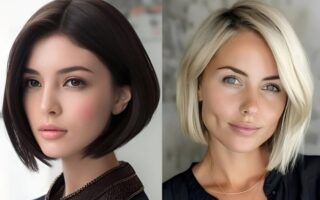
When people think of women’s 1960s hair, they often picture dramatic beehives, but the decade also popularized wearable cuts that don’t require heavy teasing. One of the most recognized is the Mod bob, typically cut around the chin or jaw, with a strong outline and minimal layering. It looks sleek, graphic, and confident, especially when paired with a fringe (bangs) that sits straight across or slightly rounded. A modern version keeps the same shape but uses softer styling—less stiffness, more movement.
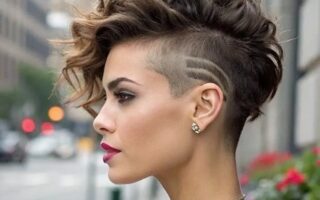
Another standout is the 60s pixie, which can range from very short and neat to slightly longer with a soft fringe. The 60s pixie often emphasizes the eyes and cheekbones, and it can feel surprisingly elegant. Today, you can modernize it by asking for gentle texture and a natural finish rather than a helmet-smooth set. A pixie inspired by the 1960s works well if you want a strong silhouette that’s easy to wash, style, and maintain.
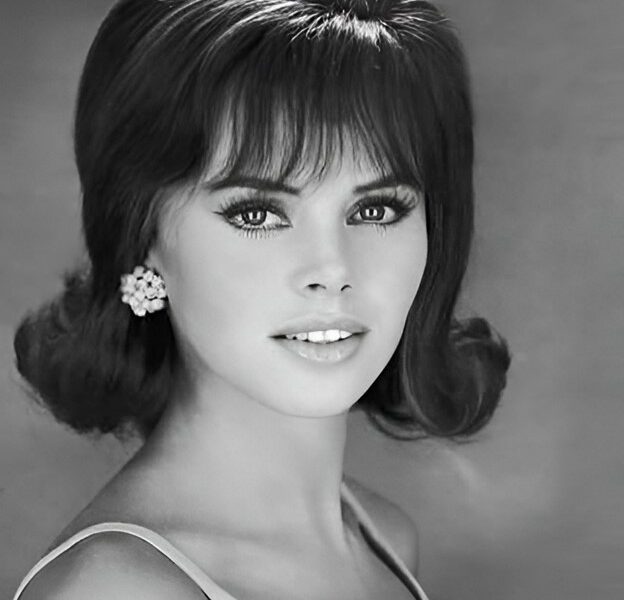
The flip cut is another classic: hair is typically cut around the shoulders or above, with ends styled outward into a flip. In the 60s, the flip was sometimes paired with a higher crown and smoother sides. In a modern version, you can keep the flipped ends subtle and let the rest of the hair fall naturally. This is a great option if you want a 60s vibe without committing to a short cut.
You’ll also see 1960s influence in rounded bobs and page-like shapes that sit between chin and shoulder length. These cuts can look chic, but they need careful tailoring so they don’t feel overly “costume.” The key is to keep the outline clean while allowing lighter movement through the interior. If you like the shape but want it to feel current, a stylist can soften the edges slightly and adjust the fringe so it matches your face shape.
Iconic Men’s Haircuts From The 1960s
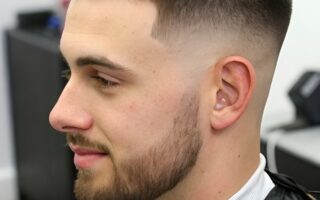
Men’s haircuts in the 1960s moved through a clear progression. Early in the decade, the dominant look was a neat taper with a side part—clean at the sides and back, with a controlled top that could be combed into place. This style remains popular because it works in professional settings and suits many face shapes. Today, you can keep the 60s spirit by asking for a classic taper rather than a dramatic skin fade, and by styling with a natural sheen instead of heavy grease.
Another common option is the Ivy League style, which is short, tidy, and slightly longer on top. It’s easy to maintain and looks sharp without needing a lot of product. If you want a haircut that nods to the 1960s but doesn’t look “vintage,” this is one of the safest choices.
As Mod fashion rose, longer top lengths and forward styling became more visible, leading to the mop-top and fringe-forward shapes. These haircuts are fuller and rounder, often with a fringe that sits across the forehead. Modern versions of this cut work best when you keep the shape intentional and avoid making it too bulky at the sides. If your hair is naturally straight or slightly wavy, this style can be especially easy to wear.
By the late 1960s, men’s hair also shifted toward longer, more natural layers. This doesn’t mean untrimmed hair—it means a softer outline, less strict parting, and a more relaxed finish. If you like the late-60s direction, a stylist can build a light layered shape that grows out well and works with natural texture.
Choosing The Best 1960s Haircut For Your Face Shape
Face shape matters because 1960s cuts often have strong outlines. The goal isn’t to “fix” your face—it’s to choose a shape that balances your features and highlights what you like most. If your face is round, a cut that creates height at the crown or length below the chin can be very flattering. For example, a jaw-length bob with subtle lift at the roots can look great, while a rounded chin-length cut with heavy fullness at the sides might make the face look wider.
If your face is oval, you have the most flexibility. Many 1960s haircuts work well on oval shapes, so you can choose based on lifestyle and hair texture. If your face is square, softer edges can help. A side-swept fringe, gentle texture, or a bob that sits slightly below the jaw can balance a strong jawline without hiding it.
If your face is heart-shaped, you may find that a pixie with a soft fringe or a bob with face-framing pieces looks especially good, because it balances a wider forehead with a narrower chin. For long faces, 60s-inspired fringes can be useful because they shorten the visual length of the face, while a bob that sits at the jaw can add width in a flattering way.
A simple way to decide is to stand in natural light, pull your hair back, and notice where your face is widest—forehead, cheekbones, or jaw. Then choose a cut that adds a bit of volume where you want balance and keeps the outline cleaner where you want less width.
Matching A 1960s Haircut To Your Hair Type (straight, Wavy, Curly, Coily)
Hair texture can make the same 1960s haircut look completely different, so it’s important to choose with your natural hair in mind. If your hair is fine, blunt ends are your friend. Many 1960s cuts use strong lines, and that can create the appearance of thicker hair. A chin-length bob, a crisp pixie, or a one-length cut can all make fine hair look fuller. For styling, focus on root lift and light products that don’t weigh the hair down.
If your hair is thick, you can absolutely wear 60s shapes, but you may need internal shaping so the hair doesn’t form a triangle. Thick hair can also hold volume easily, which is great for the 60s, but the trick is controlling where that volume sits. A good stylist can remove bulk in a way that keeps the outline sharp but prevents the sides from puffing out.
If your hair is wavy, you can go in two directions: smooth it for a classic Mod finish, or embrace the wave for a more modern version. A bob with soft shaping can look beautiful when waves are allowed to form naturally, especially if the ends are not overly thinned. For a flip cut, waves can actually help create that lively movement at the ends with less effort.
If your hair is curly or coily, you can still take inspiration from 1960s haircuts without forcing your texture to behave like straight hair. Think in terms of silhouette: a rounded shape with a fringe, a structured bob designed for curls, or a cropped cut that highlights your features can all reflect 60s influence. The key is to cut for shrinkage and natural movement, and to use styling routines that support hydration and definition rather than fighting the curl pattern.
How To Ask Your Stylist Or Barber For A 1960s-inspired Cut (without Confusion)
One of the best ways to get the result you want is to bring a couple of reference photos and explain what you like about them. Don’t just say “60s haircut,” because that can mean many things. Instead, describe length, outline, and fringe. You can say, “I want a jaw-length bob with a clean, blunt outline,” or “I want a short pixie that’s neat around the ears with a soft fringe.”
For men, you can say, “I want a classic taper, not a high fade, with enough length on top for a side part,” or “I want a mod-inspired longer top with a forward fringe, but keep the sides tidy.” These phrases help your barber translate the vintage idea into modern cutting terms.
It also helps to talk about your styling habits. If you don’t want to blow-dry daily, say that upfront. A haircut should match your routine. A precise bob can be low-maintenance for some people and high-maintenance for others, depending on texture. The more honest you are, the better the cut will fit your life.
Simple Styling Tips To Get The 60s Look In A Modern Way
You don’t need stiff hairspray and heavy teasing to capture the essence of haircuts 1960s. Most of the vibe comes from shape, shine control, and where the hair sits around your face. If you have a bob, you can blow-dry with a round brush to create a gentle bend at the ends. If you want a flip, focus on the last inch of hair—turn the brush outward and keep the rest smooth.
For pixie cuts, styling is often about direction. A small amount of lightweight cream or paste can define the fringe and add polish. Use your fingers to guide the hair where you want it, and keep the finish touchable. For men’s classic cuts, a small amount of pomade or styling cream can set the part and control flyaways. The modern approach is to use less product than you think and let the hair move slightly.
If you want crown volume, try lifting the roots while blow-drying and finishing with a light spray only at the base. Over-teasing can make hair look dated and can also cause breakage. A more current trick is using a volumizing mousse at the roots and a quick blast of air with the head tilted forward, then smoothing only the outer layer.
Maintenance And Upkeep: Keeping The Shape Looking Sharp
1960s-inspired haircuts often rely on a clean outline, so regular trims matter. Pixie cuts usually need the most frequent maintenance because the shape changes quickly as hair grows. Bobs can be trimmed less often, but if you want the outline to stay crisp at the jaw or chin, you’ll likely prefer consistent upkeep rather than waiting until it loses its structure.
At home, maintenance is about protecting the hair so it keeps its shine and movement. Heat styling is fine if you use protection and avoid extreme temperatures. If you’re going for a smooth 60s finish, focus on technique instead of heat—slow passes with a brush, controlled airflow, and a finishing serum only on the ends can do more than excessive flat-ironing.
It’s also worth paying attention to bangs if you have them. In many 1960s looks, the fringe is a key detail. Bangs can grow into your eyes quickly, so a tiny trim (or a quick salon bang appointment) keeps the haircut looking intentional rather than accidental.
Common Mistakes People Make With 1960s Haircuts
A frequent mistake is choosing a 60s haircut purely because it looks great on someone else, without considering hair texture and daily routine. For example, a perfectly smooth Mod bob can be stunning, but if your hair is very curly and you don’t want to straighten it, you may be happier with a curl-friendly bob that keeps the silhouette but respects your texture.
Another mistake is adding too much product. Heavy sprays and greasy finishes can make the style look stiff or dated. The 1960s used a lot of setting products, but your goal today is a wearable version that looks fresh in natural light. Use the minimum product needed to hold the shape and keep it touchable.
Finally, people sometimes forget that the 60s look depends on balance. If you add a dramatic fringe and heavy volume and sharp ends all at once, it can look like a costume. If you choose one strong 60s element—like a clean bob outline or a forward fringe—and keep the rest modern, the result usually looks more stylish and easier to wear.
Conclusion
Searching for haircuts 1960s is really a search for shape, confidence, and timeless style. The best 1960s-inspired haircut is the one that matches your face shape, your natural texture, and your lifestyle—whether that’s a crisp Mod bob, a soft flip, a bold pixie, or a classic men’s taper. You don’t have to copy the decade exactly to enjoy it. When the cut is right, even simple styling can give you that iconic sixties feel in a clean, modern way.
If you want to make the biggest impact with the least effort, start by choosing a cut with a strong outline, ask your stylist or barber in clear modern terms, and keep your finish soft and natural. With those steps, a 1960s haircut won’t just look vintage—it will look intentional, flattering, and current.
FAQ’s
What Were The Most Popular Haircuts In The 1960s?
Some of the most popular haircuts 1960s included the Mod bob, the pixie cut, the flip hairstyle, rounded page-style cuts, and for men, the classic taper with a side part. Each had a strong shape and clean outline that defined the decade.
Were 1960s Haircuts Only For Straight Hair?
No, they were not limited to straight hair. While many iconic images show smooth styles, modern versions of 1960s haircuts can be adapted for wavy, curly, or coily textures by adjusting the layering and overall shape.
How Can I Make A 1960s Haircut Look Modern Today?
Keep the structure of the cut but soften the styling. Use lighter products, allow natural movement, and avoid heavy teasing or stiff sprays. A clean shape with a natural finish feels current.
Are 1960s Haircuts High Maintenance?
It depends on the cut. Pixie styles may need more frequent trims, while bobs and layered cuts can grow out more easily. Styling time varies based on your hair type and how polished you want the look.
What Face Shape Suits 1960s Haircuts Best?
Most face shapes can wear a 1960s-inspired cut with small adjustments. For example, oval faces suit almost all styles, while round or square faces may benefit from added height at the crown or softer edges.
Want glowing skin and gorgeous hair? Visit our website for the latest beauty tips and expert advice.
Disclaimer:
This article is for general informational purposes only. Haircuts and styling results can vary depending on your hair type, condition, face shape, and the techniques or products used. For the best outcome, consult a qualified hairstylist or barber who can recommend a 1960s-inspired cut that suits you and advise on safe styling practices, especially if you have sensitive scalp, hair damage, or chemical-treated hair.