The french crop haircut has become one of the most requested men’s hairstyles in recent years, and for good reason. It offers a clean, modern look that is easy to maintain while still feeling stylish and sharp. Whether you prefer a subtle professional appearance or something slightly more textured and bold, this haircut adapts easily to different personalities and lifestyles.
Many men today want a haircut that looks polished without requiring too much daily effort. The french crop haircut answers that need. It combines short sides with a textured top and a forward fringe, creating a balanced style that works well in both casual and formal settings. In this guide, you will learn everything you need to know about this haircut, including its features, variations, styling tips, and how to choose the right version for your face shape and hair type.
What Is A French Crop Haircut?
A french crop haircut is defined by short sides and back, paired with a slightly longer top that is styled forward. The front section usually forms a fringe, which can be blunt, textured, or slightly uneven depending on the desired look. The contrast between the neat sides and the textured top gives the style its signature shape.
Unlike more dramatic cuts that rely on extreme fades or heavy volume, the french crop keeps things simple. The top is typically between one to three inches long, making it easy to manage. The sides can be tapered or faded, depending on how sharp you want the finish to appear. This structure makes it suitable for men of all ages, from students to professionals.
One of the reasons this haircut remains popular is its practicality. It does not require advanced styling skills, and it grows out in a natural way. Even after a few weeks, it still maintains a decent shape, which makes it ideal for men who prefer low-maintenance grooming routines.
The History And Rise In Popularity
The french crop haircut has roots in classic European barbering traditions. It is often associated with simple, military-inspired cuts that focused on practicality and cleanliness. Over time, barbers began adding more texture to the top, transforming the basic crop into something more modern and fashion-forward.
In recent years, the haircut gained renewed attention thanks to social media, fashion trends, and celebrity influence. Modern barbers have experimented with fades, sharp lines, and textured finishes, giving the traditional crop a contemporary twist. This evolution has helped the style appeal to younger audiences while still maintaining its timeless charm.
The name itself suggests a connection to French style, which is often linked to effortless fashion. The haircut reflects that same idea: neat but not overdone, stylish but not exaggerated. It fits perfectly into today’s trend of natural-looking, easy-to-wear hairstyles.
Key Features Of The French Crop Haircut
The most noticeable feature of a french crop haircut is the fringe. The hair at the front is brushed forward, sometimes slightly down onto the forehead. This forward direction creates a structured frame for the face and helps soften sharp facial features.
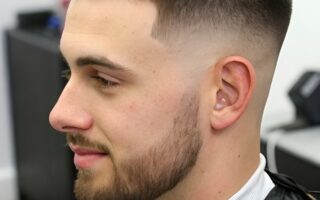
Another key element is the short sides. These can range from a subtle taper to a high fade, depending on personal preference. The shorter sides create contrast with the longer top, making the haircut look clean and defined.
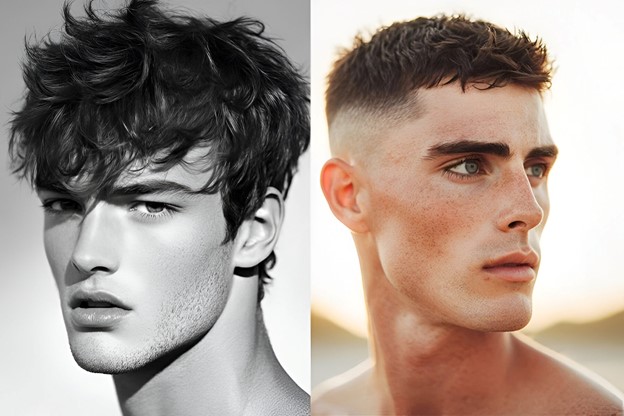
Texture also plays an important role. Modern versions of the french crop haircut often include choppy layers or point cutting on the top. This adds movement and prevents the hair from looking flat. Texture makes the haircut more dynamic and easier to style with minimal product.
Finally, the overall shape is compact and balanced. The haircut does not rely on extreme length or dramatic volume. Instead, it focuses on proportion and clean lines, which is why it suits a wide range of face shapes.
Popular Variations Of The French Crop Haircut
There are several variations of the french crop haircut, each offering a slightly different look while maintaining the core structure. The classic french crop keeps the sides short with minimal fading and features a straight, blunt fringe. This version is ideal for men who prefer a clean and traditional appearance.
The textured french crop is more modern. The top is heavily layered to create movement, and the fringe may look slightly uneven. This version works especially well for thick hair because it reduces bulk while maintaining style.
The french crop fade is another popular option. In this version, the sides are blended into the skin with a low, mid, or high fade. A low fade offers a subtle transition, while a high fade creates a sharper contrast. This variation gives the haircut a more contemporary and bold finish.
For men who want something slightly longer, a long french crop keeps extra length on top. This allows for more styling flexibility, such as adding volume or creating a slightly messy look. It works well for those with wavy or thick hair.
There is also the disconnected french crop, where the top and sides are not fully blended. This creates a stronger contrast and a more striking appearance. It is best suited for confident individuals who enjoy modern, edgy styles.
How to Choose the Right French Crop for Your Face Shape
Choosing the right version of the french crop haircut depends largely on your face shape. For men with round faces, a higher fade on the sides can create the illusion of length and add definition. Keeping a bit more height on top can also help balance softer features.
If you have a square face, the haircut naturally complements your strong jawline. A slightly textured fringe can soften the look without hiding your facial structure. Avoid cutting the fringe too short, as this may make the face appear wider.
Men with oval faces are fortunate because most variations of the french crop haircut will suit them. The balanced proportions of the face allow for flexibility in choosing fade levels and fringe styles.
For those with longer faces, it is better to avoid very high fades. A low or mid fade combined with a fuller fringe can help shorten the appearance of the face and create better balance.
Styling The French Crop Haircut
Styling a french crop haircut is straightforward. After washing your hair, gently towel-dry it until it is slightly damp. Apply a small amount of lightweight styling product, such as matte clay or styling cream, and work it evenly through the top.
Use your fingers to push the hair forward and shape the fringe. If you prefer more volume, you can use a blow dryer while brushing the hair forward. The key is not to over-style it. The natural texture is part of the haircut’s charm.
For a neat and professional look, keep the fringe controlled and smooth. For a casual finish, lightly mess up the top with your fingers. Avoid using too much product, as this can make the hair look heavy and unnatural.
Regular trims every three to four weeks will keep the haircut looking sharp. Because the sides are short, they tend to lose their clean appearance faster than the top.
Maintenance And Practical Tips
Maintaining a french crop haircut does not require an extensive grooming routine. However, proper care will help preserve its shape and texture. Use a quality shampoo suited to your hair type, and avoid over-washing, as this can dry out the scalp.
If you have thick hair, consider using a lightweight conditioner to prevent dryness while keeping volume intact. For men with fine hair, a volumizing product can help add fullness to the top.
When visiting your barber, communicate clearly about the fade level and fringe length you want. Bringing a reference photo can also help avoid misunderstandings. Clear communication ensures that you get the exact variation that suits your style.
Common Mistakes To Avoid
One common mistake is cutting the fringe too short. A very short fringe can make the haircut resemble a basic buzz cut instead of a french crop haircut. It is better to maintain some length in the front for proper balance.
Another mistake is choosing a fade that does not match your face shape. Extremely high fades may not suit everyone. Consulting with a skilled barber can help you select the right option.
Overusing styling products is also a frequent issue. The french crop is meant to look natural. Heavy gels or excessive wax can make it appear stiff and artificial.
Conclusion
The french crop haircut is a versatile, modern, and practical hairstyle that continues to grow in popularity. Its combination of short sides, textured top, and forward fringe creates a clean yet stylish look suitable for many different face shapes and hair types.
Whether you prefer a classic version or a bold fade variation, this haircut offers flexibility without demanding complicated styling routines. With proper maintenance and the right choice of variation, the french crop haircut can become a reliable and stylish part of your personal grooming routine.
FAQ’s
What Is A French Crop Haircut?
A french crop haircut is a short men’s hairstyle with tapered or faded sides and a slightly longer textured top styled forward with a fringe.
Is A French Crop Haircut Easy To Maintain?
Yes, it is considered low-maintenance because it requires minimal daily styling and keeps its shape well between trims.
How Long Should The Top Be For A French Crop Haircut?
The top is usually between 1 to 3 inches long, depending on the desired texture and fringe style.
Does A French Crop Haircut Suit All Face Shapes?
It suits most face shapes, but adjusting the fade height and fringe length helps create better balance for round, square, or long faces.
What Is The Difference Between A French Crop Haircut And A Caesar Cut?
Both have short hair and a fringe, but the french crop usually features more texture and modern fades, while the Caesar cut is more uniform and classic.
Want glowing skin and gorgeous hair? Visit our website for the latest beauty tips and expert advice.
Disclaimer
This article is published for informational and educational purposes only. The details shared about the french crop haircut are based on general research, grooming knowledge, and current style trends. Results may vary depending on individual hair type, face shape, and personal preferences. For the best outcome, always consult a professional barber or hairstylist before making any major hairstyle changes.