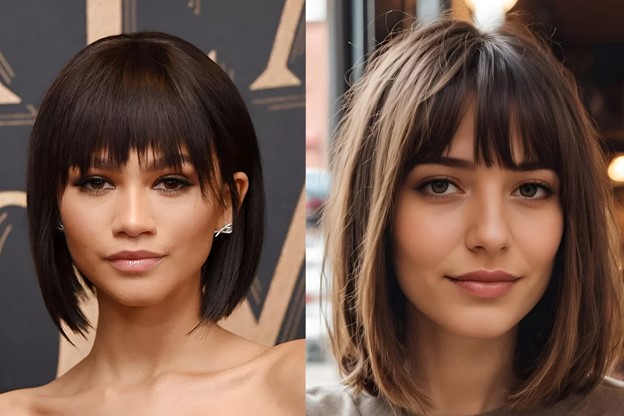
Bangs hairstyles long hair continue to be one of the most requested looks in salons, and for good reason. Adding bangs to long hair can completely transform your appearance without sacrificing length. A simple fringe can frame the face, soften strong features, highlight the eyes, and give your hairstyle a fresh update without a dramatic cut. Whether your hair is straight, wavy, or curly, bangs can bring balance and personality to your overall look.
Many people hesitate before cutting bangs because they worry about maintenance or regret. The truth is, when chosen correctly based on face shape, hair texture, and lifestyle, bangs can be both flattering and easy to manage. This guide explains everything you need to know before choosing bangs for long hair, including styles, styling tips, maintenance advice, and common mistakes to avoid.
Why Bangs Hairstyles Long Hair Are So Popular
Long hair offers versatility, but sometimes it can feel heavy or plain. Bangs instantly add structure and movement to longer lengths. They create dimension at the front, which prevents long hair from looking flat or lifeless. Instead of cutting layers throughout the hair, bangs allow you to refresh your look while keeping the overall length intact.
Another reason bangs hairstyles long hair remain popular is their ability to suit almost every age group. Younger women often choose bangs for a trendy and playful appearance, while mature women appreciate how bangs can soften fine lines around the forehead. A well-cut fringe can also make thick hair feel lighter and fine hair appear fuller at the crown.
Bangs also photograph beautifully. In social media culture, face-framing details make a noticeable difference in selfies and portraits. This visual impact keeps bangs consistently trending year after year.
Types Of Bangs That Work Best With Long Hair
Curtain bangs are one of the most flattering options for long hair. They part down the middle or slightly off-center and blend gradually into the rest of the hair. This style works especially well for beginners because it grows out gracefully and requires less frequent trimming. Curtain bangs suit oval, heart, and round faces by creating a natural framing effect.
Blunt bangs create a bold and structured appearance. They are cut straight across the forehead and pair beautifully with sleek, long hair. This style works best on straight or slightly wavy hair because the clean edge remains visible. However, blunt bangs require regular trims to maintain their sharp shape.
Side-swept bangs are a softer option. They are angled across the forehead and blend smoothly into long layers. This style is ideal for those who want flexibility because it can easily be pinned back or tucked behind the ear. Side-swept bangs also complement round and square face shapes by adding diagonal lines that create visual length.
Wispy bangs offer a light and airy feel. Instead of a thick, heavy fringe, wispy bangs are thinner and textured. They are perfect for fine hair or anyone who prefers a low-maintenance look. This style adds subtle detail without overwhelming the face.
Curly bangs are gaining popularity among those embracing natural texture. When cut properly, curly bangs can enhance the shape of curls and prevent the front from looking flat. The key is cutting them dry and slightly longer than expected to account for shrinkage.
Choosing Bangs Based On Face Shape
Selecting the right bangs for long hair depends heavily on face shape. While trends are important, personal balance matters more. For oval faces, most bang styles work well because the proportions are naturally balanced. Curtain bangs and blunt bangs are particularly flattering.
Round faces benefit from bangs that create the illusion of length. Longer curtain bangs or side-swept bangs help elongate the face rather than widen it. Avoid very short or thick blunt bangs if your goal is to slim the face visually.
Square faces often have strong jawlines. Soft, layered, or wispy bangs help balance angular features. Heavy straight-across bangs can sometimes emphasize sharpness, so softer edges are usually better.
Heart-shaped faces, which are wider at the forehead and narrower at the chin, look great with curtain or side-parted bangs. These styles reduce width at the forehead and create harmony.
Understanding face shape before committing to bangs reduces regret and increases satisfaction with the final result.
Styling Bangs Hairstyles Long Hair At Home
Styling bangs does not need to be complicated. The most important step is drying them properly. Bangs should usually be blow-dried immediately after washing because they dry faster than the rest of the hair and can form unwanted bends.
Using a small round brush helps create smoothness and slight volume. For curtain bangs, directing the brush away from the face while blow-drying creates that signature soft sweep. A lightweight heat protectant is essential to prevent damage, especially because bangs are styled frequently.
For those who prefer minimal heat, air-drying can work with the right technique. Gently comb bangs into place while damp and secure them with a clip until dry. This reduces frizz and keeps them controlled.
Dry shampoo is another useful tool. Because bangs sit on the forehead, they can become oily faster than the rest of the hair. A small amount of dry shampoo at the roots keeps them fresh between washes.
Maintenance And Trimming Tips
One of the biggest concerns about bangs hairstyles long hair is maintenance. Bangs typically need trimming every three to six weeks, depending on how fast your hair grows and the style you choose. Blunt bangs require more frequent trims than curtain or side-swept styles.
If you decide to trim them at home, use sharp hair-cutting scissors and cut small amounts at a time. It is safer to trim vertically into the ends rather than cutting straight across, which can create uneven lines. However, professional trimming is always recommended for precise results.
Growing out bangs can be surprisingly easy with long hair. As they lengthen, they naturally blend into face-framing layers. Using bobby pins, clips, or headbands during the transition period can help manage awkward stages.
Common Mistakes To Avoid
A common mistake is cutting bangs too short initially. Hair shrinks slightly after drying, especially if it has natural wave or curl. It is always better to start longer and gradually adjust.
Another mistake is ignoring hair texture. Straight, thick hair behaves differently from fine or curly hair. Choosing a bang style that does not match your natural texture can increase daily styling time and frustration.
Skipping regular trims is also problematic. Overgrown bangs can block vision and lose their shape quickly. Consistency keeps the style polished.
Finally, do not underestimate lifestyle. If you rarely style your hair or live in a humid climate, choose a low-maintenance bang style that works with your environment rather than against it.
Are Bangs Hairstyles Long Hair Right For You?
Before committing, consider your daily routine, hair type, and comfort level with change. Bangs can enhance confidence and refresh your overall appearance, but they require some level of upkeep. If you enjoy styling your hair and want a noticeable yet manageable transformation, bangs are a great option.
Consulting a professional stylist before cutting bangs is highly recommended. Bringing reference photos helps communicate your expectations clearly. A skilled stylist can adjust the length and thickness based on your features and hair density.
Remember that hair grows back. Even if you decide bangs are not for you long term, they can be grown out and blended into layers without losing overall length.
Conclusion
Bangs hairstyles long hair offer a powerful way to transform your look while keeping your cherished length intact. From curtain bangs to blunt and wispy styles, there is an option for every face shape and hair texture. The key to success lies in choosing the right style, understanding maintenance needs, and styling them properly at home.
When done thoughtfully, bangs add movement, dimension, and personality to long hair. They can highlight your best features, modernize your appearance, and boost confidence. By considering your face shape, texture, and lifestyle, you can select a fringe style that feels natural and easy to maintain.
FAQ’s
Are Bangs Hairstyles Long Hair Suitable For All Face Shapes?
Yes, bangs can suit almost every face shape if chosen correctly. The key is selecting a style that balances your facial features, such as curtain bangs for round faces or wispy bangs for square faces.
How Often Should I Trim My Bangs?
Most bangs need trimming every 3 to 6 weeks. Blunt bangs usually require more frequent trims, while curtain or side-swept bangs can grow out more naturally.
Do Bangs Make Long Hair Look Thinner?
Not necessarily. In fact, bangs can add dimension and create the illusion of fuller hair when cut properly. The right thickness and layering make a big difference.
Are Bangs Hard To Maintain With Long Hair?
Bangs require some daily styling, but they are not difficult to manage. Blow-drying them correctly and using dry shampoo can make maintenance simple and quick.
Can I Grow Out Bangs Easily If I Change My Mind?
Yes, bangs can be grown out and blended into face-framing layers. With long hair, the transition is usually smooth and manageable.
Want glowing skin and gorgeous hair? Visit our website for the latest beauty tips and expert advice.
Disclaimer
This article about bangs hairstyles long hair is published for general informational and educational purposes only. Hair results may vary depending on individual hair type, face shape, and personal styling routine. Before making any major haircut decision, it is always recommended to consult a professional hairstylist for personalized advice. We do not guarantee specific results, and readers should make choices based on their own preferences and needs.