The mod cut is a timeless hairstyle that blends vintage charm with modern edge. Inspired by the British Mod movement of the 1960s, this haircut has made a strong comeback in recent years. Many people are now searching for the mod cut because it offers a stylish yet effortless look that works for different hair types and face shapes. It is clean without being too sharp, relaxed without looking messy, and bold without trying too hard.
This guide explains everything you need to know about the mod cut, from its history and structure to styling tips and maintenance advice. If you are considering this haircut, you will find practical information here to help you decide whether it suits your personality and lifestyle.
What Is A Mod Cut
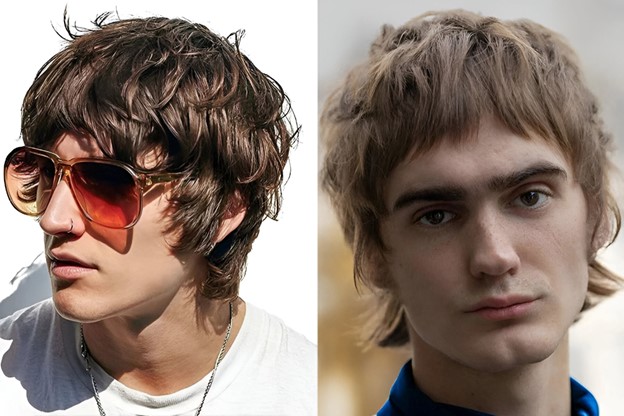
A mod cut is a medium-length layered haircut that usually features a defined fringe and soft texture around the sides and back. Unlike heavily faded styles, the mod cut keeps more natural shape and flow. The hair is often cut in a rounded silhouette, allowing it to fall forward naturally.
The key feature of the mod cut is the fringe. It can be straight, slightly textured, or gently curved, depending on the variation. The sides are not shaved too tight, which keeps the overall look balanced. This makes the haircut versatile and suitable for both casual and semi-formal settings.
Many people confuse the mod cut with a bowl cut or shag haircut. However, the mod cut is more refined. It maintains structure while still allowing movement and softness in the hair.
History And Cultural Influence
The mod cut originated in 1960s Britain during the rise of the Mod subculture. “Mod” was short for modernist, a youth movement known for sharp fashion, tailored suits, scooters, and a strong connection to music. Bands like The Beatles popularized similar hairstyles, helping the cut gain attention across Europe and beyond.
In the 1990s, the mod cut saw a revival through Britpop culture. Musicians embraced slightly longer, relaxed versions of the style. Over time, the haircut evolved to match modern grooming trends while keeping its original identity.
Today, the mod cut represents a mix of retro inspiration and contemporary styling. It reflects individuality and confidence without looking outdated.
Key Characteristics Of A Mod Cut
One of the defining elements of the mod cut is its layered structure. The hair is usually kept at medium length on top, with subtle layering to create texture. The sides are blended smoothly rather than sharply faded.
The fringe plays a major role in shaping the overall appearance. It can rest just above the eyebrows or slightly cover them. The rounded outline around the head gives the cut a soft yet structured finish.
Another important feature is natural movement. The mod cut should not look stiff or overly styled. It is meant to fall into place with minimal effort, which makes it practical for everyday wear.
Different Variations Of The Mod Cut
Over the years, the mod cut has developed into several variations to suit different preferences. The classic mod cut stays true to its roots with even length and a smooth, rounded fringe. This version works especially well for straight hair.
The modern mod cut introduces subtle fades or tapering on the sides while keeping the textured top intact. This gives the haircut a sharper and more updated look.
There is also a messy or tousled mod cut, which adds extra layering for a relaxed feel. This variation works well for wavy hair because it enhances natural texture.
For curly hair, the mod cut can be adapted by shaping the curls into a rounded frame. Instead of forcing the hair flat, the barber works with the curl pattern to maintain volume and structure.
Each variation keeps the main identity of the mod cut but allows personalization based on hair type and lifestyle.
Who Should Get A Mod Cut
The mod cut suits many face shapes, especially oval, square, and heart-shaped faces. The rounded fringe can soften sharp jawlines, while the layered top adds balance to longer face shapes.
Hair type also plays an important role. Straight and wavy hair are ideal for achieving the traditional look. However, curly hair can also work if properly layered. Thick hair often gives the best results because it holds shape well, but fine hair can still benefit from added texture.
Before choosing a mod cut, consider your daily routine. If you prefer low-maintenance styles, this haircut is a good option because it does not require heavy styling every morning.
How To Ask Your Barber For A Mod Cut
Clear communication is important when requesting a mod cut. Instead of only saying the name, describe the details you want. Mention that you prefer a medium-length layered style with a defined fringe and soft sides.
Bringing a reference photo can help avoid misunderstandings. Explain how much length you want to keep on top and whether you prefer a more classic or modern variation.
It is also helpful to ask your barber about adjustments based on your face shape and hair texture. A skilled barber can customize the mod cut to enhance your natural features.
Styling Tips For The Mod Cut
Styling a mod cut is usually simple. After washing your hair, towel-dry it gently and apply a small amount of lightweight styling cream or texture paste. Avoid heavy gels that make the hair look stiff.
Use your fingers or a wide-tooth comb to shape the fringe forward. If needed, use a hairdryer on low heat while directing the airflow from back to front. This helps maintain the rounded shape.
For a natural finish, avoid overworking the hair. The charm of the mod cut lies in its effortless appearance. A small amount of product is enough to define texture without making it look greasy.
Maintenance And Upkeep
To keep the mod cut looking sharp, regular trims are necessary. Visiting your barber every four to six weeks helps maintain the shape and prevent the fringe from becoming too heavy.
Daily maintenance is minimal. Washing your hair with a suitable shampoo for your hair type keeps it healthy. Using a light conditioner prevents dryness without weighing down the layers.
If your hair grows quickly, you may need slight fringe adjustments between full haircuts. Keeping the shape balanced ensures the style remains neat and intentional.
Common Mistakes To Avoid
One common mistake is cutting the sides too short. When the sides are faded too high, the haircut loses its classic mod identity. Keeping some length around the ears maintains the proper silhouette.
Another mistake is over-layering the top. Too many layers can make the haircut look uneven rather than structured. The mod cut requires balance between texture and shape.
Using excessive styling products can also reduce the natural appeal of the cut. The goal is controlled movement, not a stiff or shiny finish.
Why The Mod Cut Remains Popular
The mod cut continues to attract attention because it fits modern grooming preferences while carrying historical influence. It offers a refined look without appearing overly formal.
In today’s fashion landscape, many people prefer hairstyles that feel authentic and adaptable. The mod cut meets this demand by combining tradition with flexibility. It works in professional settings and casual environments alike.
Its ability to evolve while staying recognizable is the reason it remains relevant decade after decade.
Conclusion
The mod cut is more than just a haircut. It is a style rooted in cultural history that has successfully adapted to modern trends. With its medium length, textured layers, and distinctive fringe, it offers a balanced look that suits many individuals.
Whether you choose a classic version or a modern adaptation, the mod cut provides versatility and ease of maintenance. By understanding its structure, styling methods, and maintenance needs, you can decide confidently if this hairstyle matches your personal style.
FAQ’s
What Is A Mod Cut?
A mod cut is a medium-length layered haircut with a defined fringe and softly blended sides. It is inspired by the 1960s Mod style and offers a balanced, textured look.
Is The Mod Cut Suitable For All Hair Types?
The mod cut works best with straight or wavy hair, but it can also suit curly hair if properly layered and shaped by a skilled barber.
How Often Should I Trim A Mod Cut?
To maintain its shape and fringe length, a trim every 4 to 6 weeks is usually recommended.
Is The Mod Cut High Maintenance?
No, the mod cut is generally low maintenance. It requires light styling and minimal product to keep its natural flow and texture.
Can The Mod Cut Be Modernized?
Yes, the mod cut can be updated with subtle fades, added texture, or a slightly messy finish while keeping its classic structure.
Want glowing skin and gorgeous hair? Visit our website for the latest beauty tips and expert advice.
Disclaimer
This article is for general informational purposes only. The details shared about the mod cut are based on research and common hairstyling knowledge. Results may vary depending on individual hair type, face shape, and personal preferences. For the best outcome, consult a professional barber or hairstylist before making any haircut decisions.