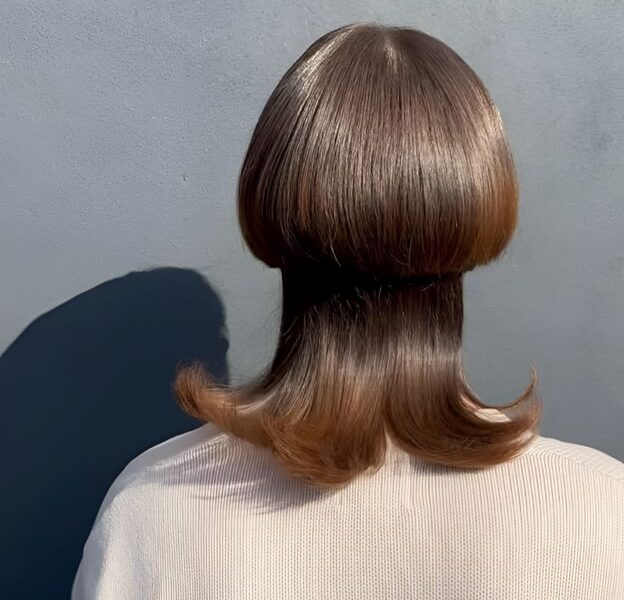
The jellyfish haircut is one of those styles that gets attention right away because it does not try to blend in. It has a short, rounded top section and much longer hair underneath, which creates a shape that feels bold, modern, and a little artistic. Some people love it because it looks different from standard layered cuts, while others are drawn to it because it keeps length without looking ordinary.
What makes this haircut interesting is that it can be adapted in more than one way. On one person, it can look sharp, clean, and fashion-forward. On someone else, it can feel softer and more wearable for everyday life. That flexibility is part of why so many people are searching for it now. Before getting it, though, it helps to understand what the cut actually is, who it suits, how it is styled, and what kind of maintenance it needs.
What Is A Jellyfish Haircut?
A jellyfish haircut is a disconnected hairstyle with two very clear sections. The top part is usually cut shorter, often around the chin, jawline, or cheek area, while the lower part stays much longer. Instead of blending the layers together in the usual way, the cut keeps a visible separation between the short upper section and the long hair underneath.
This shape creates the look that gives the haircut its name. The rounded upper layer can resemble the body of a jellyfish, while the longer strands underneath give the effect of trailing tentacles. That may sound dramatic, but the final look depends a lot on how the stylist shapes it. Some versions are very bold and graphic, while others are softer and easier to wear in daily life.
The key point is that this is not just another layered haircut. The disconnected design is what makes it a real jellyfish cut. If the layers blend too much, the style starts to look more like a shag, a wolf cut, or a long layered bob instead.
Why The Jellyfish Haircut Has Become So Popular
Hair trends often come and go, but the jellyfish haircut stands out because it gives people something fresh. Many haircut trends in recent years have focused on texture, softness, and movement. The jellyfish haircut goes in a different direction by offering shape, contrast, and a stronger outline. It feels creative, which is one reason it has been shared so widely on social platforms and trend-focused beauty pages.
Another reason for its popularity is that it works well in photos and videos. The separation between the top and bottom sections makes the cut easy to notice right away. In a world where visual trends spread fast, styles that are instantly recognizable often gain attention quickly. This haircut has that quality.
At the same time, it also appeals to people who want a statement style without cutting off all their length. That matters because many people want a big change but still want the option of keeping long hair. The jellyfish haircut offers both. It gives a strong transformation around the face and crown while leaving room for long, dramatic length underneath.
Jellyfish Haircut Vs Other Similar Haircuts
A lot of people confuse the jellyfish haircut with other trendy styles, especially the hime cut, wolf cut, and mullet. While they may share a few visual similarities, they are not the same. The jellyfish haircut is most defined by its two-level structure and visible disconnection between the top and bottom sections.
The hime cut usually has sharp front side pieces and a straighter, more traditional structure around the face. It may look neat and dramatic, but it does not always have the rounded upper layer and long underlayer that define a jellyfish haircut. The wolf cut, on the other hand, is more blended and textured. It has lots of movement and layering, but it usually looks softer and less controlled than a jellyfish cut.
The mullet also creates contrast between short and long hair, but it is usually shorter on the top and front with length focused more toward the back. A jellyfish haircut often wraps the shorter top section more evenly around the head, which creates that distinct floating shape. Knowing these differences matters because it helps you explain clearly what you want at the salon.
Who The Jellyfish Haircut Suits Best
The jellyfish haircut can work for different people, but it does not look the same on everyone. Hair texture, density, face shape, and daily styling habits all make a difference. Straight or slightly wavy hair often shows the shape most clearly because the separation between the sections remains visible. On curly or highly textured hair, the cut can still work, but it usually needs more careful customization.
People with medium to thick hair may find it easier to get the full visual effect because there is enough hair to create that rounded upper section without losing too much volume below. Fine hair can also work, but the stylist may need to adjust the shape to avoid making the lower part look too thin. That is why the best version of this haircut is usually tailored, not copied exactly from a photo.
Face shape can also affect placement. A shorter upper section can bring attention to the cheekbones, jawline, or chin depending on where it falls. That means small changes in length matter. Someone with a round face may prefer a slightly longer top layer, while someone who wants stronger facial framing may choose a shorter line. In many cases, success comes less from following strict rules and more from placing the cut in a flattering way.
Different Ways to Wear A Jellyfish Haircut
Not every jellyfish haircut looks extreme. That is important because many people like the concept but want a version that feels wearable. A soft jellyfish haircut uses less contrast between the top and bottom sections, which makes the style easier to live with. The shape is still visible, but it does not look as sharp or theatrical.
A more dramatic version uses blunt lines and a strong disconnect. This kind of cut makes the hairstyle look more editorial and fashion-led. It can be especially striking with sleek styling because the outline becomes even more obvious. Some people also add bangs, which can make the haircut feel more balanced and frame the face in a stronger way.
There are also longer and shorter versions. A long jellyfish haircut keeps plenty of length underneath and creates the biggest contrast. A shorter version can feel lighter and more playful. Color can also change the look. Some people use highlights or contrasting tones to make the two sections stand out more. Others keep the color simple so the shape stays the main focus.
What To Ask For At The Salon
If you want a jellyfish haircut, clear communication matters. This is not the kind of style that should be described with one quick sentence and left open to guesswork. It helps to bring reference photos, but it also helps to explain what you like about them. For example, do you want a softer version, a blunt version, a dramatic disconnect, or something easier to style every day?
You should also discuss exactly where the upper section should fall. A difference of a few inches can completely change the final result. The stylist needs to know whether you want the short section near the cheekbones, chin, or jawline, and whether you want the lower section to stay heavy, light, or textured.
It is also smart to ask how the haircut will grow out. Some styles look great on day one but become difficult after a few weeks if the shape is not planned well. A good stylist should be able to explain how often trims may be needed and whether the haircut can later be changed into another shape more easily. That conversation can save a lot of regret.
How To Style A Jellyfish Haircut
Styling plays a big role in how a jellyfish haircut looks. If the top section is left messy or flat when it should have shape, the haircut may lose its effect. Many people style the upper part with a blow dryer, round brush, or straightener to keep it smooth and defined. The lower part can be left sleek, waved, or textured depending on the mood you want.
A sleek finish usually makes the haircut look sharper and more modern. This is often the easiest way to show the disconnected structure. A softer finish with bends or waves can make the style feel more casual and less severe. That can be useful for people who like the haircut but do not want it to feel too edgy every day.
Styling products can help, but they should be used with balance. A light smoothing cream, heat protectant, or texture spray can support the shape without making the hair feel heavy. The goal is usually to define the haircut, not hide it. Because of that, this is not always a true wash-and-go style. It often looks best when a little time is spent shaping it.
Maintenance And Upkeep
The jellyfish haircut usually needs regular trims to keep its structure clear. When the top layer grows out too much, the contrast becomes weaker and the style can start to lose its identity. That does not mean it is impossible to maintain, but it does mean you should be realistic about upkeep before choosing it.
People who like precise, graphic hairstyles often do best with this cut because they are already used to maintaining shape. If you prefer very low-maintenance hair, you may want a softer version that still gives the same idea without requiring frequent reshaping. That is often the better choice for everyday wear.
One practical tip is to pay attention to how the lower section feels over time. If the bottom starts to look too heavy compared to the top, or too thin after styling, a small adjustment can improve balance. Regular check-ins with your stylist can help keep the haircut looking intentional instead of uneven.
Common Mistakes To Avoid
One common mistake is choosing the jellyfish haircut only because it looks striking in photos without thinking about daily life. A haircut can be beautiful online and still not match someone’s comfort level, styling routine, or workplace setting. It helps to think honestly about how bold you want your hair to look when you wake up, go out, or tie it back.
Another mistake is going to a stylist who does not understand disconnected cuts well. This style depends on shape and placement, so confidence and precision matter. A stylist who blends everything automatically may give you a completely different result. It is better to choose someone who is comfortable with modern shape-driven cuts.
Many people also make the mistake of asking for a jellyfish haircut when they really want something softer, like face-framing layers or a hime-inspired look. That is why reference images and a clear conversation are important. The better you explain your goal, the more likely you are to get a haircut that fits your style.
Is The Jellyfish Haircut Worth Trying?
For the right person, the jellyfish haircut can be a very exciting choice. It has personality, structure, and a strong visual identity. It is a good option for someone who wants a haircut that feels current but not ordinary. It also works well for people who enjoy styling their hair and do not mind maintaining a clear shape.
At the same time, it is not the best fit for everyone. If you like low-effort hair that grows out quietly and blends easily, this cut may feel too specific. That does not mean you have to avoid it completely. It may just mean you need a toned-down version that keeps the idea without the most dramatic contrast.
In the end, the value of this haircut comes down to personal style. Trends can introduce a look, but a good haircut should still feel like you. The best version of the jellyfish haircut is not always the boldest one. It is the one that matches your face, your hair texture, and your everyday routine.
Conclusion
The jellyfish haircut is a bold and modern style that stands out because of its clear two-layer shape. With a short rounded upper section and long hair underneath, it offers something very different from classic layered cuts. That is exactly why so many people are curious about it. It feels fresh, artistic, and expressive, while still allowing room for customization.
Before getting this haircut, it helps to understand both its appeal and its demands. It can look striking, flattering, and highly original, but it also needs the right cut, the right styling approach, and the right expectations. When tailored well, it can be adapted for many different looks, from soft and wearable to sharp and dramatic.
If you are thinking about trying a jellyfish haircut, the smartest step is to focus on the version that suits your real life, not just the version that looks trendy online. A good stylist, clear communication, and a realistic styling plan can make all the difference. When done well, this haircut can feel creative, stylish, and surprisingly personal.
FAQ’s:
What Is A Jellyfish Haircut?
A jellyfish haircut is a layered hairstyle with a short, rounded top section and longer hair underneath, creating a strong contrast between the two lengths.
Is The Jellyfish Haircut Hard To Maintain?
It can need regular trims and some styling to keep its shape, especially if you want the top section to stay defined.
Who Does The Jellyfish Haircut Suit Best?
It often suits people who like bold hairstyles and do not mind styling their hair. The cut can be adjusted for different face shapes and hair textures.
Is The Jellyfish Haircut The Same As A Hime Cut?
No, they are different. A jellyfish haircut has a more noticeable two-layer shape, while a hime cut usually focuses on sharp side sections around the face.
Can You Get A Soft Version Of A Jellyfish Haircut?
Yes, a softer version is possible. A stylist can reduce the contrast between the layers to make it easier to wear every day.
Want glowing skin and gorgeous hair? Visit our website for the latest beauty tips and expert advice.
Disclaimer
This article is for general informational purposes only. Hair results can vary depending on your hair type, texture, face shape, and styling routine. Before getting a jellyfish haircut, it is always best to consult a professional hairstylist who can recommend a version that suits you personally.

Вільний веб-ресурс, присвячений сучасній культурі, художній творчості, музиці, стилю та незалежним медіа. Ресурс зосереджується на темах, які опиняються поза популярною культурою: розлогі бесіди з діячами андерграундних сцен, критичні розбори на нестандартні релізи, аналізи художніх практик та статті про переосмислення самосприйняття. Підвищена зацікавленість приділяється культурі України, незалежним музикантам, стріт-стайлу та течіям, що визначають сучасний погляд нашого часу. Досліджувати цей світ ви можете на necatli.space, де публікації поєднують детальну аналітику з образною мовою, даючи аудиторії не голі факти, а альтернативну оптику осмислення дійсності.