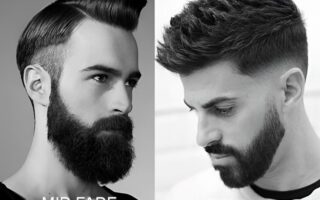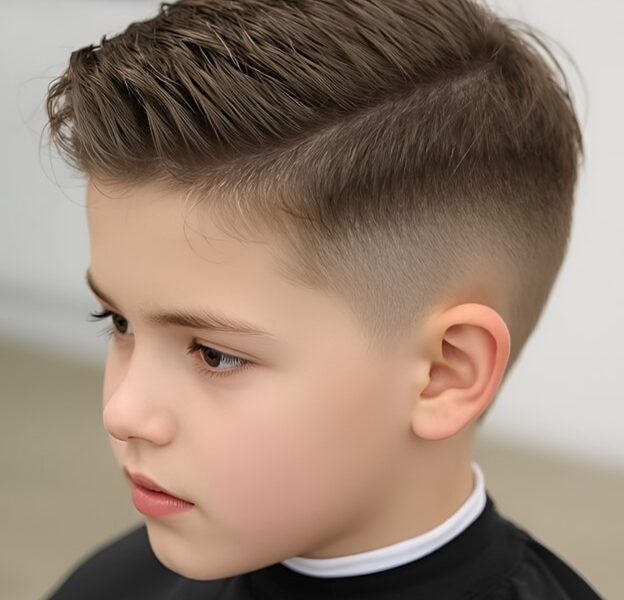
Choosing the right haircut for boys is not only about what looks trendy in a photo. A good haircut should match the child’s hair type, daily routine, comfort level, and personality. Some boys want a neat and simple style that is easy to manage before school, while others prefer a more stylish look with texture, movement, or a modern fade. The best result usually comes from finding a haircut that looks good without creating extra stress for parents or too much styling work in the morning.
Haircuts for boys have changed a lot over the years. Today, there are far more options than just a basic trim or a very short cut. Parents can choose from classic styles, modern barber cuts, curly hairstyles, layered looks, and low-maintenance options that still feel current. This guide covers the most useful information in a clear and practical way, so readers can understand which haircut works best, why it works, and how to keep it looking good after the barber visit.
What Makes A Good Boys’ Haircut?
A good boys’ haircut should suit real life, not just look good on the first day. That means the style should fit the child’s hair texture, face shape, activity level, and tolerance for styling. A boy who plays sports several days a week may need a haircut that stays comfortable and tidy even when he is active. A child with thick or curly hair may need more shape and balance instead of simply cutting everything short. When the haircut matches the child instead of forcing a trend, it usually looks better and lasts better.
Another important factor is how the haircut grows out. Some styles look sharp for only a short time and need frequent trims, while others stay neat for weeks. Parents often focus on the first impression, but long-term upkeep matters just as much. A haircut that still looks clean after two or three weeks can save time, money, and frustration. That is why practical choices often work better than styles that look impressive but require daily effort.
Most Popular Haircuts For Boys
Some haircuts remain popular year after year because they are versatile and easy to adapt. The crew cut is one of the most reliable choices. It is short, clean, and simple to maintain, which makes it a strong option for school-age boys. The buzz cut is even easier and works well for families who want very low maintenance. These cuts are practical, but they can still look sharp and modern when done well.
Other popular haircuts include the taper fade, side part, textured crop, quiff, and undercut. A taper fade gives a clean finish around the ears and neckline without being too dramatic. A side part creates a polished and classic look that works well for both younger boys and older kids. The textured crop is popular because it adds style without demanding too much effort. A quiff gives more height and personality, while the undercut creates a stronger contrast between the top and sides. These styles stay popular because they can be adjusted for different ages and hair types.
Low-maintenance Haircuts For Busy Families
Many parents search for haircuts for boys that are easy to handle every day. In most homes, the best haircut is not the one that needs special products or careful styling each morning. It is the one that still looks neat when the child gets ready quickly, runs outside, or puts on a school uniform without worrying about every strand of hair. That is why low-maintenance cuts remain some of the best choices.
The buzz cut is one of the easiest options because it needs almost no styling. The crew cut is also practical because it keeps a clean shape without much work. A short taper works well for boys who want something neat but not too plain. A textured crop is another strong option because the natural texture helps it look good even when styled loosely. These haircuts are often better for families who want a style that looks presentable with minimal effort and fewer barber visits.
Haircuts For Boys By Hair Type
Hair type plays a big role in how a haircut looks and behaves. Straight hair often works well with styles like the side part, classic taper, or layered fringe because the shape is easier to control. Thick hair usually benefits from texture and weight removal, so styles like the textured crop, undercut, or slightly longer top can help the hair sit better instead of looking bulky. Wavy hair naturally adds movement, which works well in messy layers or medium-length cuts with a soft taper.
Curly hair needs special attention because cutting it like straight hair often leads to poor results. A curly top with shorter sides is a common choice because it gives shape while letting the curls stay visible. Some boys also look great with a rounded curly cut that keeps a natural finish. In most cases, the best haircut is one that works with the natural hair pattern instead of trying to fight it. That usually makes styling easier and helps the haircut look more balanced every day.
Haircuts For Boys By Age
Age can influence which haircut feels most practical and comfortable. Younger boys often do best with simple cuts that are soft, neat, and easy to manage. At that stage, comfort matters more than trend. Many parents prefer styles that keep hair out of the eyes and avoid long styling routines. Clean short cuts, soft tapers, and classic trims tend to work well for toddlers and younger school-age boys.
As boys get older, they often become more aware of personal style. Pre-teens and teenagers may want a haircut that feels more current or expressive. This is where fades, textured tops, longer fringes, and more defined barber cuts become more common. Still, the haircut should match the child’s daily life. A trendy style can work well if the boy is willing to maintain it. If not, a slightly simpler version is usually the smarter choice.
Choosing The Right Haircut For Face Shape And Lifestyle
Face shape can help guide a haircut, but it should not control the decision too strictly. Boys with rounder faces often suit styles that add a little height on top, because that can create a more balanced look. Boys with longer faces may benefit from avoiding too much extra height and keeping the haircut more proportioned. Square face shapes usually work well with many classic cuts because the natural structure already supports a clean shape.
Lifestyle matters just as much as face shape. A very active child may be happier with a shorter haircut that stays comfortable during sports and outdoor play. A boy who enjoys styling his hair may prefer a cut with more length and texture on top. School rules, climate, and family routines also matter. A haircut should fit the child’s real day-to-day life, not just the idea of what looks stylish in a barber photo.
Fade, Taper, And Undercut Differences
Many parents hear terms like fade, taper, and undercut without knowing the difference. A fade usually means the hair becomes gradually shorter as it moves down the sides and back. It can look very clean and modern, but sharper fades often need more regular maintenance to stay fresh. A taper is usually softer and more natural. It trims the hair neatly around the edges without creating a very strong contrast. This makes it easier to grow out and often more suitable for boys who need a clean but not extreme look.
An undercut is different because the top stays longer while the sides are cut much shorter, often with less blending. This creates a bold contrast and works well for boys who want a stronger style. It can look great, but it may not be the best choice for every hair type or routine. Understanding these differences helps parents and older boys ask for the right haircut instead of relying on unclear barber terms.
How to Talk To A Barber Clearly
One of the easiest ways to get a better haircut is to explain clearly what is wanted. Instead of saying only “short on the sides,” it helps to describe how short, how natural, and how easy the style should be to manage. A reference photo can help, but it should be realistic. The photo should show a child with similar hair type and thickness whenever possible. That gives the barber a better idea of what will actually work.
It is also useful to mention daily habits. If the child never uses product, the barber should know that. If there is a strong cowlick, thick curls, or uneven growth around the crown, mentioning it early can prevent mistakes. Asking how the haircut will grow out is another smart step. A good haircut should not only look neat after leaving the barber shop, but also stay workable until the next trim.
Easy Styling And Hair Care Tips
Haircuts for boys look better when basic care is consistent. That does not mean using lots of product or spending a long time in front of the mirror. In most cases, a small amount of light styling product is enough. Fine hair usually needs something light so it does not look greasy or flat. Thick hair may benefit from a product that adds control without making it stiff. Curly hair often looks best with moisture and gentle handling rather than heavy brushing.
Washing habits also matter. Hair does not always need to be washed every day unless the child is sweating a lot or using products regularly. Overwashing can make some hair types dry or harder to manage. Regular trims are also important because even a great haircut loses shape over time. A short fade may need attention sooner, while a layered or classic cut often grows out more softly. Good hair care keeps the haircut looking intentional instead of untidy.
Common Mistakes To Avoid
A common mistake is choosing a haircut only because it looks good on someone else. Hair density, texture, growth pattern, and face shape all affect the final result. A celebrity-inspired style may look very different on a child with another hair type. Another mistake is cutting thick or curly hair too short without thinking about how it will sit afterward. That can make the shape harder to control instead of easier.
Parents also sometimes assume the shortest haircut is always the easiest. That is not always true. Some very short styles need more frequent trims to stay neat, while slightly longer cuts can grow out better. Another problem is ignoring the child’s opinion. Even younger boys usually have preferences about comfort or appearance. When they feel good about the haircut, they are more likely to take care of it and feel confident wearing it.
How Often Boys Should Get Haircuts
The timing of haircuts depends on the style and how neat the family wants it to look. Very short cuts, especially sharp fades, often need refreshing every few weeks because the clean lines disappear quickly. Classic cuts like crew cuts, side parts, and tapers usually last longer and can often go a bit more time between appointments. Medium-length styles may not need trimming as often, but they still need shape maintenance to avoid looking heavy or uneven.
A good rule is to watch how the haircut sits rather than relying only on the calendar. If the hair starts falling into the eyes, looking bulky around the ears, or losing its shape on top, it is probably time for a trim. Consistent timing helps the child stay comfortable and keeps the haircut looking intentional rather than overgrown.
Conclusion
The best haircuts for boys combine style, comfort, and practicality. A haircut should match the child’s hair type, routine, and personality instead of copying a trend that may not work in daily life. Simple cuts like the buzz cut and crew cut remain popular because they are easy to manage, while styles like the taper fade, textured crop, side part, and curly top offer more personality without losing function.
When parents and older boys understand how hair type, age, maintenance, and barber communication all work together, choosing the right haircut becomes much easier. A well-chosen style does more than improve appearance. It can save time, reduce frustration, and help a child feel more confident every day. That is why the smartest haircut is usually not the most dramatic one, but the one that looks good, feels comfortable, and fits real life.
FAQ’s:
What Is The Easiest Haircut For Boys To Maintain?
The buzz cut is usually the easiest because it needs almost no styling and stays neat with very little effort.
Which Haircut Works Best For Boys With Curly Hair?
A curly top with shorter sides works well because it keeps the curls visible while making the haircut easier to manage.
How Often Should Boys Get A Haircut?
Most boys need a haircut every 3 to 6 weeks, depending on the style and how quickly their hair grows.
Are Fades A Good Option For School-age Boys?
Yes, fades can work well for school-age boys if the style is kept clean, simple, and appropriate for school rules.
What Haircut Is Best For Boys With Thick Hair?
A textured crop or a taper with some length on top is often a good choice because it removes bulk and keeps the hair easier to control.
Want glowing skin and gorgeous hair? Visit our website for the latest beauty tips and expert advice.
Disclaimer
This article is for general informational purposes only and is based on common haircut trends, hair care knowledge, and styling advice for boys. Hair type, face shape, scalp condition, and personal preferences can vary, so results may differ from person to person. For the best outcome, it’s always a good idea to speak with a professional barber or hair stylist before choosing a new haircut.