Old Hollywood hairstyles have a special kind of magic. They look polished without feeling stiff, glamorous without being loud, and classic without looking outdated. When people search for this look, they usually want hair that feels “red carpet” but still wearable—smooth waves, soft shine, a clean side part, and a silhouette that frames the face beautifully. The best part is that you don’t need a celebrity stylist to pull it off. With the right prep, the right technique, and a few practical tricks, you can recreate the same timeless vibe at home and make it last through an event, a photoshoot, or a full day out.
In this guide, you’ll learn what defines the Old Hollywood look, which styles fall under the umbrella, how to pick the right option for your hair type and face shape, and how to do it step-by-step without ending up with frizz, flat waves, or “pageant curls.” The goal is simple: you finish reading and feel confident you can actually do it.
What “Old Hollywood Hairstyles” Really Means
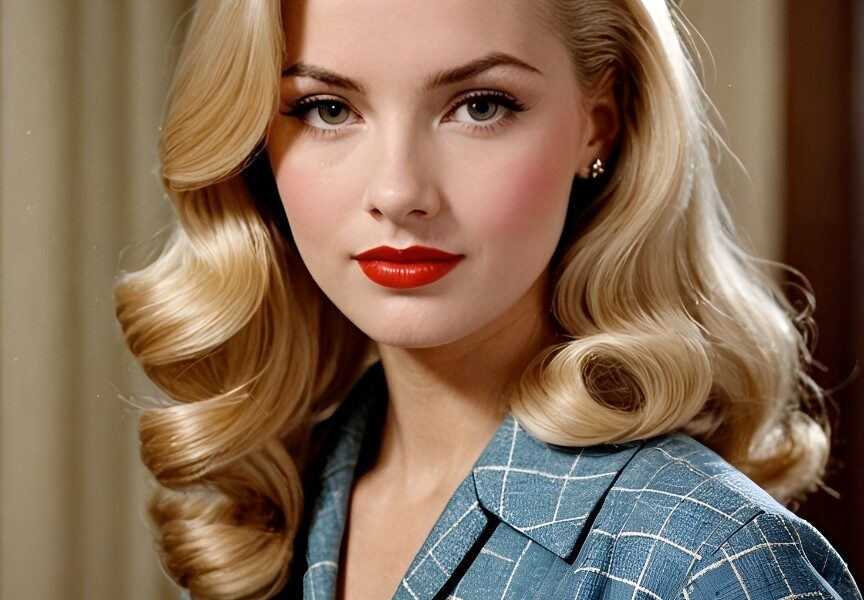
Old Hollywood hairstyles are less about one specific curl pattern and more about an overall finish: controlled shape, visible structure, and a smooth, glossy surface. Think of hair that looks intentional from every angle. The most famous version is the deep side-part with sculpted “S” waves, but Old Hollywood also includes finger waves, brushed-out pin curls, elegant tucked updos, and vintage-inspired rolls.
A helpful way to understand it is this: modern curls often look separated and airy, while Old Hollywood hair looks “connected.” The curls blend into waves, the wave ridges sit in a consistent direction, and the style has a soft, continuous flow. That flow is what makes the look read as classic even when you pair it with modern makeup and clothing.
It’s also important to know that people often mix up finger waves and Hollywood waves. Finger waves are tighter, sculpted ridges that sit closer to the scalp and are traditionally created while the hair is damp. Hollywood waves are softer, larger, and usually created with heat styling or rollers, then brushed out and shaped. Both are authentic—just different moods.
The Classic Old Hollywood Styles People Ask For
When most people say “Old Hollywood hair,” they’re usually imagining one of these signature looks. The first is glamorous side-part waves, where the hair is brushed into smooth, uniform waves with a defined ridge around the cheekbone area. This style is popular because it photographs well and works beautifully with dresses, formalwear, and bridal looks.
Finger waves are another classic, especially for shorter hair or for vintage-themed events. They look like sculpted ripples and instantly give a 1920s–1930s feel. They can be full-head finger waves or a finger-wave accent on the front hairline with the rest pinned back.
Brushed-out pin curls are the foundation behind many golden-era looks. Instead of leaving curls as spirals, you brush them into a soft cloud of shape, then guide them into a smooth pattern. This works well if you want volume and glamour without a “tight curl” look.
Old Hollywood updos are typically low, neat, and structured—tucked at the nape, rolled, or pinned in a way that feels elegant rather than messy. These are great for weddings and formal events because they look expensive and stay put.
Victory rolls are a bold vintage style most associated with the 1940s. They’re not always “Hollywood” in the strictest sense, but they’re often included because they share the same era and glamour. A modern version can look stunning when done subtly and paired with sleek waves.
How To Choose The Right Style For Your Hair Length And Texture
Choosing the right Old Hollywood hairstyle gets much easier when you start with your natural hair and work with it instead of fighting it. For short hair, finger waves and sculpted side waves are usually the most flattering. A short bob can also be styled into soft Hollywood bends with a deep side part, especially if you focus on smoothing and shape rather than trying to create big curls.
For medium hair, you have the most flexibility. Hollywood waves, brushed-out pin curls, and half-up vintage styles tend to hold well and look balanced. Medium hair also makes it easier to create a wave pattern that sits nicely around the face without looking heavy.
For long hair, Hollywood waves are the classic choice, but long hair can also become weighty, which makes waves drop faster. The trick with long hair is setting and cooling properly, and using a hold strategy that keeps the style flexible but stable. Low updos are also excellent for long hair if you want a guaranteed all-night look.
Texture matters just as much as length. Straight hair usually needs more help with grip and hold, so setting products and cooling are important. Naturally wavy hair often creates the best Hollywood waves because it already wants to form a wave pattern—you just refine it. Curly or coily hair can absolutely do Old Hollywood styles too, but the approach often focuses on smoothing and controlled shape, either by stretching the curl pattern or working with it to create a brushed, sculpted finish.
If your hair frizzes easily, focus on preparation and finishing techniques rather than stronger heat. If your hair is fine and drops quickly, use smaller sections, set the curls, and give the hair time to cool fully before brushing out.
Prep That Makes Old Hollywood Hair Look Expensive
Most people think the secret is the curling iron, but the real secret is preparation. Old Hollywood hairstyles depend on a smooth surface and a style that holds its shape, and that starts before you curl a single piece.
If your hair is freshly washed and feels too soft, it may not hold a wave well. Many people get better results on day-old hair. If you need to wash the same day, you can still make it work by using lightweight hold products and drying the hair in a way that builds structure.
Start with fully dry hair unless you’re doing traditional finger waves. Damp hair plus heat tools can cause uneven results and extra frizz. Use a heat protectant, then add a styling product that matches your hair type: something with hold for fine hair, or something smoothing for frizz-prone hair. Avoid heavy oils before curling because they can make the wave collapse faster and can make the hair slippery.
Sectioning is another “professional” step that changes everything. Smaller sections give smoother results and more consistent waves. If your sections are random, your wave pattern will look random too. Take a few extra minutes to section cleanly—your final style will look more polished.
How To Do Classic Old Hollywood Waves At Home
Classic Old Hollywood waves are easiest when you treat the process like “create curls, then sculpt waves.” Begin with a deep side part. The side part is important because it gives that dramatic, vintage silhouette and helps the waves flow in one direction. Decide which side you want as the heavier side, and keep that consistent.
Curl the hair in a consistent direction. This is one of the biggest differences between modern curls and Hollywood waves. Modern curls often alternate direction for a messy look, but Hollywood waves look best when the curls cooperate and brush into a unified pattern. Use a medium-to-large barrel depending on hair length. Shorter hair usually needs a smaller barrel for definition, while longer hair can use a larger barrel for softer waves.
After curling each section, clip it and let it cool. Cooling is not optional if you want the style to last. Think of cooling as the “set button” that locks the shape. If you brush out curls while they’re still warm, they turn fluffy and drop quickly.
Once the hair is fully cool, brush out gently using a brush that smooths without shredding the curl pattern. The goal is to blend curls into waves. Then shape the wave ridges by guiding the hair with your hands and using clips at the ridge points. Let the clips sit for a few minutes. This step is what gives that clean, vintage wave definition around the face.
Finish with a light hold product, focusing on the outer surface and the areas that need control. If you want shine, add it at the very end so it doesn’t weaken the hold during the curling phase.
How To Do Finger Waves Without Losing Your Mind
Finger waves look advanced, but you can make them manageable with the right expectations. Traditional finger waves are created on damp hair with a strong-setting product, a fine-tooth comb, and clips. They rely on shaping the hair into ridges and allowing it to dry in that shape.
Start with damp hair that’s evenly saturated with a setting product. Create a deep side part, then use a comb to form the first “S” curve along the hairline. Once you create the ridge, clip it to hold the shape. Continue shaping the pattern, working slowly and keeping the wave direction consistent.
If you don’t want full-head finger waves, consider a modern compromise: create finger-wave detail only at the front hairline, then pin the rest of the hair into a low bun or smooth waves. This gives the Old Hollywood vibe without requiring perfect waves across the entire head.
A helpful tip is to practice finger waves when you’re not in a rush. The first time can feel awkward because it’s more like sculpting than styling. Once your hands learn the motion, it becomes much easier.
Old Hollywood Updos That Look Elegant, Not Costume
Not everyone wants hair down, and Old Hollywood updos are one of the best options for events because they look structured and stay neat. The key is keeping the finish smooth and the shape intentional. A low chignon, a tucked roll at the nape, or a side-swept pinned style can all read as classic Hollywood when paired with a deep part and a clean wave at the front.
If you’re doing an updo, consider leaving a wave or two in the front section. That small detail is what makes it feel “Old Hollywood” instead of just “formal hair.” Create soft curls or waves in the front, set them, then pin the back into a smooth, low shape. Use pins that match your hair color and pin in a crisscross pattern for strength.
For extra polish, smooth the surface with a light finishing product, but avoid making it look greasy. The best Old Hollywood shine looks like healthy hair, not oily hair.
Tips For Different Hair Types (So It Works In Real Life)
If you have fine hair, your biggest challenge is hold. Use smaller sections, set and cool every curl, and consider pinning curls while they cool. Avoid heavy conditioners or oils right before styling. A little texture and grip will keep your waves in place.
If you have thick hair, your biggest challenge is control and time. Work in clean sections, make sure each section is fully heated, and don’t rush the cooling stage. Thick hair can hold a style beautifully, but only if it’s set properly.
If you have frizz-prone hair, focus on smoothing while drying and use a product that helps control humidity. A common mistake is using too much heat to “fight frizz,” which can make hair rougher. Instead, aim for a smooth blow-dry foundation, then style gently.
If you have naturally curly or coily hair, you can choose whether you want a stretched, smooth wave look or a vintage-inspired sculpted shape that works with your curl pattern. For a smoother Hollywood wave effect, many people use a blowout or heat-stretching first. For a curl-friendly version, pin curls and careful shaping can create gorgeous, soft vintage volume while keeping texture.
How to Make the Style Last All Day and Night
Longevity is a big part of Old Hollywood hair, especially if you’re wearing it to a wedding, party, or photoshoot. The most reliable strategy is to build hold in layers: prep hold, set hold, and finish hold. Prep hold comes from what you apply before curling. Set hold comes from cooling and clipping. Finish hold comes from a light final product that locks the surface without making the hair stiff.
Humidity is the enemy of smooth waves, so if you live in a humid area, keep your finishing routine focused on frizz control and avoid brushing the hair too much after it’s set. In dry climates, you may need a tiny bit of shine product at the end to keep the style looking soft rather than dry.
A real-life tip: carry two wave clips and a few bobby pins if you’re going out. If one side starts to drop, you can re-clip the ridge for a few minutes and bring back the shape without redoing the whole style.
Common Mistakes That Ruin The Look (And Easy Fixes)
One common mistake is brushing too early. If your curls are warm, brushing turns them into fluff, and the style loses structure. Let the hair cool fully first. Another mistake is alternating curl directions, which works for beachy curls but fights against the unified wave pattern you want for Old Hollywood.
Using too much product can also sabotage the look. Heavy oils, thick creams, or too much hairspray early in the process can make hair sticky and uneven. It’s better to use a small amount of the right products at the right time than to layer everything at once.
Finally, many people skip sectioning because it feels tedious, but clean sectioning is what creates consistent results. If your wave pattern looks messy, your sections were probably too large or uneven. The fix is simple: smaller sections, consistent direction, and cooling.
Conclusion
Old Hollywood hairstyles are timeless for a reason: they flatter almost everyone, they photograph beautifully, and they instantly make you look put-together. Whether you choose classic Hollywood waves, finger waves, brushed-out pin curls, or a polished low updo, the results come down to the same fundamentals—smooth prep, consistent direction, proper setting, and gentle shaping.
If you want the easiest win, start with a deep side part and soft waves, then practice the clip-and-cool method until your hair holds the pattern the way you like. With a little repetition, old hollywood hairstyles stop feeling “hard” and start feeling like your signature look—glamorous, confident, and completely wearable.
FAQ’s:
What Are Old Hollywood Hairstyles?
Old Hollywood hairstyles are classic, glamorous hair looks inspired by Hollywood’s golden era from the 1920s to the 1950s. They usually feature smooth waves, deep side parts, soft curls, and polished finishes that create a timeless, elegant appearance.
Are Old Hollywood Waves The Same As Finger Waves?
No. Finger waves are tighter, sculpted wave patterns created close to the scalp, usually on damp hair. Old Hollywood waves are softer, larger waves created with heat tools or rollers and then brushed out to form smooth, flowing shapes.
Can Old Hollywood Hairstyles Work On Short Hair?
Yes. Short hair can look beautiful with Old Hollywood styling. Finger waves, vintage bobs with soft bends, and side-swept waves are especially popular choices for shorter lengths.
How Can I Make Old Hollywood Waves Last Longer?
To help waves last longer, prepare the hair with a light styling product, curl in consistent sections, allow the curls to cool completely, and finish with a light hold hairspray. Avoid brushing the hair too much after styling.
Are Old Hollywood Hairstyles Suitable For Modern Events?
Yes. Old Hollywood hairstyles remain popular for weddings, red-carpet events, formal parties, and photoshoots. When paired with modern makeup or outfits, they create a stylish mix of vintage elegance and contemporary fashion.
Want glowing skin and gorgeous hair? Visit our website for the latest beauty tips and expert advice.
Disclaimer
The information provided in this article about Old Hollywood hairstyles is intended for general educational and informational purposes only. The styling tips, techniques, and suggestions shared are based on commonly used hair styling practices and general beauty knowledge. Results may vary depending on individual hair type, texture, length, and personal styling skills.