The 1970s hairstyles men wore were bold, expressive, and full of personality. This was a decade when grooming shifted from strict, conservative cuts to more relaxed, individual styles. Hair became a way for men to show confidence, creativity, and cultural influence. From long layered shags to natural afros and early mullets, the variety was wide. Today, many of these looks are returning with modern updates. If you are considering a retro-inspired haircut, understanding the details behind these classic styles will help you choose one that suits your hair type, lifestyle, and face shape.
Why 1970s Hairstyles For Men Still Matter Today
Many modern men’s hair trends borrow ideas from the 1970s. The focus on natural texture, layered movement, and medium-to-long length is visible in current fashion. Unlike the sharp fades and tight cuts of later decades, 70s hairstyles embraced softness and flow. This makes them adaptable. You can wear a 1970s-inspired style in a subtle, professional way or in a more dramatic, fashion-forward way. The reason these hairstyles remain relevant is simple: they balance freedom with structure. They allow personality without looking outdated when styled properly.
The Key Characteristics Of 1970s Hairstyles Men Wore
Most 1970s men’s hairstyles shared a few defining traits. Length was usually medium or long, especially around the ears and neckline. Layers were common because they added movement and prevented heavy bulk. Natural texture was encouraged rather than flattened. Many styles also featured noticeable sideburns, which were considered stylish at the time. Another important detail was the absence of sharp, high-contrast fades. Instead, cuts blended gradually. These characteristics create a softer appearance compared to many modern barbershop styles.
The Shag Haircut
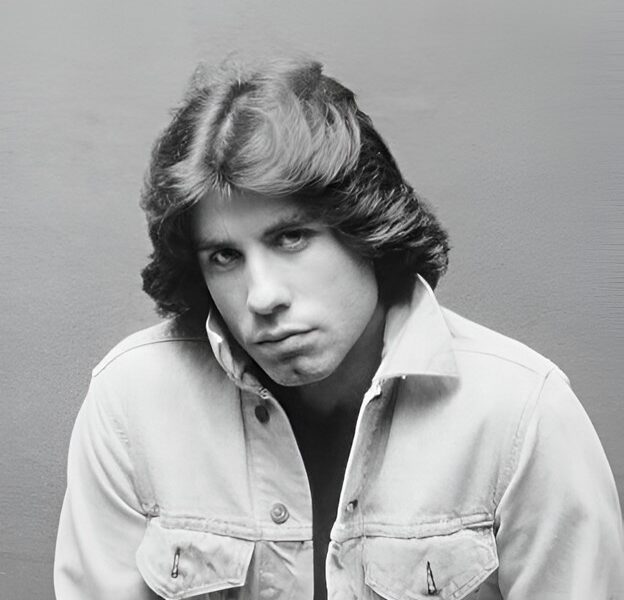
The shag became one of the most recognizable 1970s hairstyles men embraced. It featured medium-length hair with heavy layering throughout the crown and sides. The fringe was often left slightly longer and brushed forward or parted casually. This cut works especially well for straight or wavy hair because layers create natural volume. Today, a modern shag is usually cleaner around the neckline and less extreme in layering. If you want this style, ask for textured layers and avoid overly thin ends, which can make the hair look weak.
Feathered Hair
Feathered hair was popular among men who preferred a softer, styled look. The hair was typically medium length and blow-dried away from the face to create light, wing-like layers. This style required some daily effort, often using a blow dryer and a round brush. It works best for straight to slightly wavy hair with medium density. In a modern version, you can keep the sides more controlled and reduce excessive volume to make it office-friendly. A lightweight styling cream helps maintain movement without stiffness.
The Mullet
The mullet appeared in the later part of the decade and became a bold statement. Shorter on the top and sides with longer hair at the back, it was a clear departure from traditional cuts. While it developed further in the 1980s, its roots are found in the 1970s. A modern mullet is usually more blended and less dramatic. If you are considering this look, balance is key. Keep the transition smooth and avoid extreme contrast between the top and back to prevent it from looking like a costume.
The Afro
For men with naturally coily or tightly curled hair, the afro was a powerful and stylish choice during the 1970s. This hairstyle celebrated natural texture and required proper maintenance to maintain shape and health. Regular moisturizing, careful picking, and occasional trimming helped keep the afro rounded and neat. Today, the afro remains an iconic style. A well-shaped, healthy afro can look timeless when paired with clean edges and proper conditioning routines.
Long Natural Hair
Many men in the 1970s simply grew their hair long and wore it naturally. This look was often parted in the center or slightly off to the side. It required patience because length must be even and healthy to look intentional. Regular trims prevent split ends and uneven growth. Modern long hairstyles inspired by the 70s usually include subtle layering to avoid a flat appearance. Conditioning products are important to maintain shine and reduce frizz.
Surfer-Inspired Hair
The relaxed, sun-kissed surfer look was also part of 1970s hairstyles men preferred in coastal areas. Medium-length hair with natural waves created an effortless style. This look depended more on texture than precise cutting. Sea salt sprays can help recreate this texture today. However, moderation is important to prevent dryness. A light leave-in conditioner keeps the hair soft while maintaining movement.
Shorter 1970s Cuts
Although longer styles were dominant, not every man wore long hair. Some preferred shorter cuts that still reflected the decade’s softer aesthetic. These cuts were usually scissor-based rather than clipper-heavy. The sides were not tightly faded, and the top maintained some length for styling flexibility. This option suits men who want a subtle 1970s influence without committing to longer hair.
How To Choose the Right 1970s Hairstyle
Choosing the right style depends on your hair type, density, and face shape. If you have fine hair, avoid excessive layering because it can make the hair appear thinner. Thicker hair benefits from layers to reduce bulk. For round face shapes, styles with some height at the crown can add balance. For longer face shapes, adding width through layers can create proportion. Consider your daily routine as well. Some styles, like feathered hair, require more styling time than a simple layered cut.
What To Tell Your Barber
Clear communication ensures better results. Instead of simply saying you want a 70s haircut, describe the length and texture you prefer. Mention whether you want layered movement, a clean neckline, or a more natural finish. Bringing reference photos can help, but choose images that match your hair type. Ask your barber how much maintenance the cut will require and whether it suits your lifestyle. This discussion prevents misunderstandings and ensures a practical outcome.
Styling And Maintenance Tips
Styling 1970s hairstyles men wear today does not require heavy products. Lightweight creams, texture sprays, and gentle pomades are usually enough. Avoid thick gels that make hair stiff. Blow drying can enhance volume, but always use moderate heat to protect hair health. Regular trims every four to six weeks maintain shape, especially for layered cuts. Deep conditioning treatments once a week help maintain shine and prevent dryness, particularly for longer styles.
Wearing 1970s Hairstyles In Professional Settings
A common concern is whether these styles are appropriate for work. The answer depends on execution. Keeping the neckline tidy and reducing excessive volume makes most 1970s-inspired cuts suitable for professional environments. Even longer styles can look polished when clean and well-maintained. The key is grooming. Clean hair, controlled texture, and subtle shaping make a strong difference.
Common Mistakes To Avoid
One mistake is overusing styling products. Heavy products can flatten layers and remove the natural movement that defines 1970s hairstyles. Another mistake is skipping regular trims, which can lead to uneven growth. Over-layering fine hair is also problematic because it creates weak ends. Finally, trying to copy a style without considering your hair type often leads to disappointment. Adapt the look rather than copying it exactly.
Conclusion
The 1970s hairstyles men adopted were diverse, expressive, and rooted in natural texture and layered movement. Whether you prefer a shag, feathered layers, an afro, or a longer natural look, these styles offer flexibility and personality. The key to wearing them successfully today lies in balance. Keep the cut tailored to your hair type, maintain healthy grooming habits, and avoid extreme versions unless they truly suit your style. With the right approach, a 1970s-inspired hairstyle can feel both timeless and modern.
FAQ’s
What Was The Most Popular 1970s Hairstyle For Men?
The shag haircut was one of the most popular 1970s hairstyles for men. It featured medium length, heavy layers, and natural movement, making it easy to style and suitable for different hair types.
Did Men Really Wear Mullets In The 1970s?
Yes, early versions of the mullet appeared in the late 1970s. They were less dramatic than the 1980s versions and usually had a more blended transition between the top and back.
Are 1970s Hairstyles Suitable For Thin Hair?
Yes, but they should be adapted. Light layering and medium length can add movement without making thin hair look sparse. Avoid excessive thinning or over-layering.
Do 1970s Men’s Hairstyles Require A Lot Of Styling?
Not always. Many styles focus on natural texture and only need light styling products. However, feathered or voluminous looks may require blow-drying for best results.
Can I Wear A 1970s Hairstyle In A Professional Setting?
Yes. Keeping the cut neat, maintaining regular trims, and avoiding extreme length or volume makes most 1970s-inspired hairstyles appropriate for work environments.
Want glowing skin and gorgeous hair? Visit our website for the latest beauty tips and expert advice.
Disclaimer
The information provided in this article about 1970s hairstyles men is for general educational and style guidance purposes only. Hairstyle results may vary depending on your hair type, texture, density, and personal grooming routine. Before making significant changes to your haircut or hair care routine, it is recommended to consult a professional barber or hairstylist who can assess your specific needs.