The phrase “60 style hairstyles” refers to the bold, elegant, and expressive hair trends that defined the 1960s. This was a decade of transformation in fashion, music, and culture, and hairstyles reflected that dramatic change. From sky-high beehives to sleek geometric cuts, the 1960s introduced volume, structure, and personality into everyday hair styling. Today, these looks continue to inspire modern trends because they combine glamour with creativity. Whether you are interested in vintage beauty or simply want to try something different, understanding 60 style hairstyles can help you choose a timeless and confident look.
The Cultural Influence Behind 60 Style Hairstyles
To fully appreciate 60 style hairstyles, it helps to understand the cultural background of the decade. The 1960s were influenced by pop music, Hollywood films, political movements, and youth-driven fashion revolutions. Hairstyles became a way for women to express independence and individuality. Early in the decade, polished and structured looks were popular, while later years embraced more relaxed, natural styles.
Fashion icons, musicians, and film stars played a major role in spreading these trends. Television and magazines showcased dramatic updos and sharp haircuts, encouraging women to experiment. Hair was no longer just about neatness; it became a statement. This cultural shift is one reason 60 style hairstyles still feel powerful and relevant today.
The Beehive And Bouffant Era
One of the most recognizable 60 style hairstyles is the beehive. This dramatic updo features hair teased and piled high on the head to create a rounded, cone-like shape. It required patience, hairspray, and careful backcombing. Although it looks complex, the style was a symbol of sophistication and glamour during formal events and evening gatherings.
The bouffant was another favorite. Unlike the beehive, the bouffant focused on volume at the crown while allowing the rest of the hair to flow more naturally. It added height without being overly dramatic. Women often paired it with elegant dresses and bold eye makeup. Today, modern stylists recreate softer versions of these styles using lightweight volumizing products instead of heavy teasing, making them more practical for daily wear.
The Iconic Bob And Geometric Cuts
Not all 60 style hairstyles were about height and volume. The decade also introduced sharp, structured cuts that felt modern and artistic. The geometric bob became popular for its clean lines and smooth finish. This haircut often featured blunt ends and precise shaping around the face.
These structured styles reflected the growing influence of modern art and minimalist fashion. They required regular trims to maintain their shape, but the result was polished and effortless. Even today, variations of the 1960s bob remain among the most requested haircuts in salons. A sleek bob with a center or side part can easily capture that vintage feel while still looking contemporary.
Flipped Ends And Soft Waves
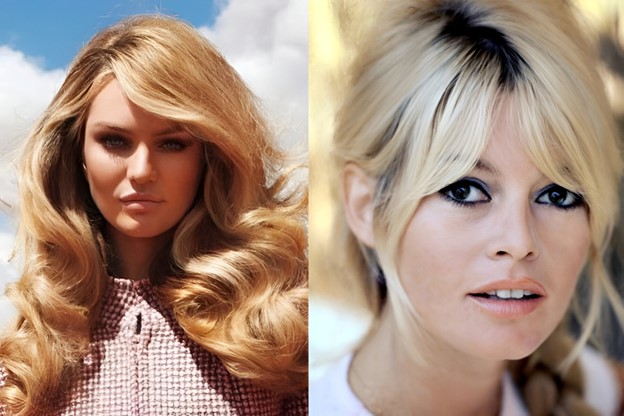
Another classic element of 60 style hairstyles is the flipped-out ends look. Hair was often styled straight with the ends curled outward using a round brush or heated rollers. This simple technique created movement and a playful finish. It worked well for medium and long hair lengths.
Soft waves were also popular, especially during the later part of the decade. As fashion became more relaxed, hairstyles followed the same path. Instead of heavy hairspray and tight structure, women embraced natural texture. Loose waves framed the face gently and required less maintenance. This shift laid the foundation for many modern beach-inspired hairstyles that remain trendy today.
Half-up Styles And Feminine Details
Half-up hairstyles became a staple among 60 style hairstyles because they offered a balance between elegance and simplicity. Hair was often teased at the crown for slight volume and then secured at the back with decorative clips or ribbons. This style kept hair away from the face while maintaining length and softness.
Accessories played an important role. Headbands, bows, and scarves added personality to the look. These small details helped transform a basic hairstyle into something unique. In modern times, half-up styles remain popular for casual outings, weddings, and even professional settings. With minimal effort, they provide a polished yet comfortable appearance.
Pixie Cuts And Short Hair Confidence
Short hair gained significant attention in the 1960s. The pixie cut became a symbol of bold confidence and independence. This haircut featured closely cropped sides and slightly longer layers on top, highlighting facial features beautifully. It required less styling time compared to voluminous updos, which made it appealing for women seeking practicality.
The popularity of short hairstyles showed that femininity did not depend on long hair. Instead, confidence and personality defined beauty. Today, many women choose short cuts inspired by the 1960s because they are easy to maintain and suit various face shapes. A modern pixie can be styled sleek or slightly textured for a softer finish.
How To Recreate 60 Style Hairstyles Today
Recreating 60 style hairstyles does not always require professional tools. With the right approach, you can achieve a vintage-inspired look at home. Start by choosing a style that suits your hair type and face shape. For volume-based styles, use a lightweight volumizing mousse and a round brush while blow-drying. If you want a flipped finish, focus on curling only the ends outward.
For structured cuts like the bob, maintaining clean lines is important. Regular trims every six to eight weeks will keep the shape intact. When attempting an updo such as a beehive, work in sections and gently tease the roots before smoothing the top layer. Avoid excessive hairspray to keep the look natural rather than stiff.
Modern products make the process easier. Heat protectants, texturizing sprays, and flexible-hold hairsprays allow you to create vintage volume without damaging your hair. Practice and patience are key to achieving a balanced result.
Choosing The Right 60 Style Hairstyle For Your Face Shape
Not every hairstyle suits every face shape, so it is important to make thoughtful choices. For round faces, adding height at the crown can create a lengthening effect. A bouffant or teased half-up style works well in this case. For oval faces, most 60 style hairstyles are flattering, including sleek bobs and soft waves.
If you have a square face shape, consider styles with soft layers or gentle curls to balance strong jawlines. Heart-shaped faces often look best with chin-length cuts or side-swept bangs. Consulting a professional stylist can help you adapt classic 1960s looks to suit your personal features.
Hair Care Tips For Maintaining Vintage-inspired Looks
Many 60 style hairstyles rely on volume and styling tools, so proper hair care is essential. Regular deep conditioning treatments help maintain moisture, especially if you frequently use heat styling tools. Avoid excessive backcombing, as it can weaken hair strands over time.
Using a mild shampoo and lightweight conditioner prevents product buildup, which can flatten volume. If you enjoy recreating vintage updos often, give your hair rest days between heavy styling sessions. Healthy hair always enhances the final look, no matter which style you choose.
Why 60 Style Hairstyles Remain Popular
The lasting appeal of 60 style hairstyles lies in their versatility and personality. Some styles are bold and glamorous, while others are soft and natural. This range makes them suitable for different ages, events, and personal preferences. They also offer a sense of nostalgia while still allowing room for modern updates.
In recent years, fashion trends have repeatedly revisited vintage inspiration. Social media platforms and red-carpet events often showcase updated versions of 1960s hairstyles. This continued exposure keeps the trend alive and introduces it to new generations.
Conclusion
60 style hairstyles represent more than just beauty trends from the past. They reflect creativity, confidence, and cultural change. From towering beehives to sleek bobs and playful flipped ends, the 1960s offered a wide variety of options that still influence hairstyling today. By understanding their history and adapting them with modern techniques, anyone can enjoy these timeless looks.
If you are searching for a hairstyle that combines elegance with character, exploring 60 style hairstyles is a great place to start. With the right care, styling approach, and attention to detail, you can bring a piece of vintage charm into your everyday appearance while keeping it fresh and modern.
FAQ’s
What Are 60 Style Hairstyles?
60 style hairstyles are hair trends inspired by the 1960s, including beehives, bouffants, flipped ends, sleek bobs, pixie cuts, and half-up styles known for volume and structure.
Are 60 Style Hairstyles Suitable For Modern Fashion?
Yes, many 1960s hairstyles have been updated with softer volume and modern techniques, making them suitable for everyday wear, parties, and formal events.
Which 60 Style Hairstyle Is Easiest To Create At Home?
Flipped-out ends or a simple half-up style with light teasing at the crown are among the easiest to recreate at home.
Do 60 Style Hairstyles Work For All Hair Types?
Most styles can be adapted for straight, wavy, or slightly curly hair. The key is adjusting the volume and structure according to your hair texture.
How Can I Maintain Volume In 60 Style Hairstyles?
Use a volumizing mousse, blow-dry with a round brush, and apply a flexible-hold hairspray to keep the style in place without making it stiff.
Want glowing skin and gorgeous hair? Visit our website for the latest beauty tips and expert advice.
Disclaimer
This article is for general informational and educational purposes only. The hairstyles and hair care tips shared here are based on research and current beauty trends. Results may vary depending on individual hair type, condition, and styling methods. For personalized advice or professional styling, it is recommended to consult a qualified hairstylist or hair care expert.