50s hairstyles still have a strong place in beauty and fashion because they combine polish, charm, and personality. Even now, many people are drawn to these looks because they feel elegant without being too hard to wear. Some styles from that decade are soft and romantic, while others are neat, playful, and full of confidence. That variety is one reason 50s hairstyles continue to inspire people who want something classic but still fresh.
Another reason these hairstyles remain popular is that they work for many hair lengths and textures. You do not need to copy a full vintage look from head to toe to enjoy them. In many cases, one retro detail is enough to create the mood. A smooth side part, rolled bangs, soft curls, or a polished ponytail can instantly give your hairstyle a 1950s feel without making it look too formal or outdated.
This guide explains what made 50s hairstyles so special, which styles stood out most, and how you can wear them today in a natural and modern way. The aim is to give clear and useful information, so readers can understand the history, the styling ideas, and the practical side of making these hairstyles work in real life.
What Made 50s Hairstyles So Distinctive
The beauty style of the 1950s focused on neat shapes, glossy finishes, and carefully styled hair. In that era, hair was often seen as an important part of a woman’s overall presentation, so people put real effort into keeping it polished. Salon visits were common, and many women also used home tools like rollers, setting lotion, and pins to keep their hair in place. The final result was usually smooth, controlled, and well-shaped.
Unlike some later trends that leaned toward loose or messy hair, the 1950s favored structure. Hair was often curled, brushed into shape, or pinned with care. Even when a style looked soft, it usually had a planned form behind it. Volume was also important, but it was not random. It was placed in a way that flattered the face and balanced the whole hairstyle.
Famous actresses, singers, and public figures had a strong influence on beauty trends during that time. People copied hairstyles seen in films, magazines, and advertisements. That is why many 50s hairstyles still feel glamorous today. They were built around beauty ideals that emphasized confidence, femininity, and attention to detail.
The Most Iconic 50s Hairstyles
Some of the best-known 50s hairstyles have never really disappeared. Soft pin curls were one of the most recognizable looks of the decade. These curls were shaped carefully and then brushed out or pinned into place. They created a soft but styled finish that looked graceful and refined. Pin curls worked well for short, medium, and even longer hair, which made them especially popular.
Another famous style was the pageboy. This look featured smooth hair with the ends curled under, often around the jawline or shoulders. It gave the hair a clean and tidy silhouette. The pageboy looked polished and feminine, and it suited both casual wear and more formal occasions. It is one of the easiest 50s hairstyles to adapt today because the shape still feels wearable.
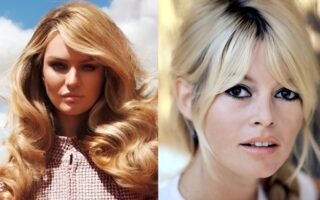
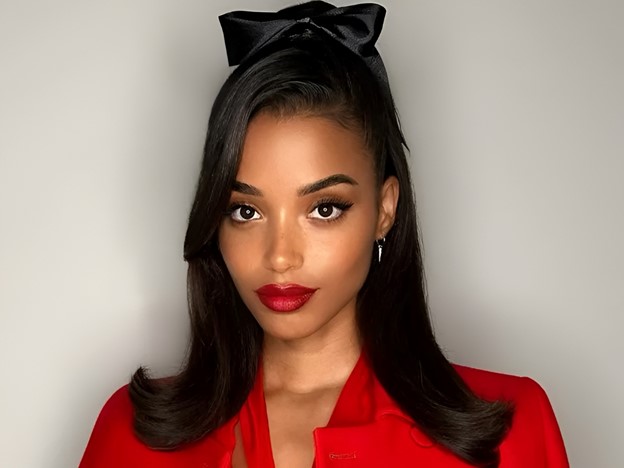
High-volume curls also became a signature feature of the decade. These curls were often brushed into smooth waves or rounded shapes that framed the face. Ponytails with curled ends were also common, especially for younger women. Scarves, ribbons, and simple hair accessories added charm without making the style feel too heavy. Some people preferred dramatic rolled sections, while others chose softer waves that looked more natural. That range is part of what makes the decade so interesting.
50s Hairstyles For Short Hair
Short hair was a major part of 1950s beauty. Many women wore cropped or chin-length cuts that were carefully shaped and curled. Short styles were often feminine rather than severe, which gave them a soft and flattering appearance. A short haircut in the 1950s usually relied on texture and shape rather than sharp lines. The hair might be curled away from the face, smoothed into place, or given light volume at the crown.
The gamine-inspired short cut became well known because it looked fresh, youthful, and stylish. This type of haircut was often paired with soft curls or a side-swept finish. It opened up the face and highlighted the eyes, cheekbones, and jawline. It is still a strong option for people who want a haircut that feels neat but expressive.
Short bobs also fit well into the 50s look, especially when the ends were tucked under or curled softly. These shapes gave movement without looking messy. For modern wear, short 50s hairstyles are a smart choice because they are usually easier to maintain than more elaborate vintage styles. A good cut, a round brush, and a little styling product can often create the right effect without too much effort.
50s Hairstyles For Medium And Long Hair
Medium and long hair offered even more room for styling in the 1950s. Shoulder-length hair could be turned into waves, pageboy shapes, ponytails, or soft rolled looks. Longer hair was often curled first and then brushed into a smooth, controlled finish. Instead of hanging loose in a casual way, it was usually given shape so it looked purposeful and polished.
One of the most appealing things about medium and long 50s hairstyles is their flexibility. A person could wear full curls for a special event, then switch to a scarf-tied ponytail for a more relaxed day. Hair could also be pinned back on one side to create a graceful vintage touch. This made the styles practical as well as attractive.
Longer hair also worked well for styles that borrowed from pin-up fashion, though not everyone wore them in a dramatic way. In fact, many softer looks from the era are easier for modern readers to copy because they feel less costume-like. If someone wants to wear 50s hairstyles today without looking too themed, medium and long hair can be styled with just one or two retro elements. That usually creates a more balanced and natural result.
How To Choose The Right 50s Hairstyle
Not every vintage hairstyle works the same way for every person, so it helps to choose one based on hair type, face shape, and lifestyle. Someone with thick hair may find it easier to hold rolls, volume, and shaped curls. Fine hair can still work beautifully with 50s hairstyles, but it may need extra support from rollers, light teasing, or setting products. The key is to choose a style that works with the hair rather than against it.
Face shape also matters. Rounded hairstyles with height at the crown can help balance fuller faces. Soft side parts and waves often flatter oval and heart-shaped faces. Short curls near the cheeks can look lovely, but they should be placed carefully so the face does not feel too crowded. These small details can make a big difference in the final result.
It is also important to think about comfort and maintenance. Some 50s hairstyles need more time and patience than others. A soft curled bob or a polished ponytail is far easier for everyday wear than a detailed set of rolls. People often enjoy vintage hair more when they start with a simple style and build confidence from there. That makes the experience more enjoyable and realistic.
How To Style 50s Hairstyles In A Modern Way
The best way to wear 50s hairstyles today is to keep the main idea but soften the finish. In the original era, hair was often set very firmly and shaped with precision. Modern styling usually looks better when it has a little movement and touchability. That means you can still enjoy the vintage influence without making the hair feel stiff or overly formal.
For example, soft waves inspired by the 1950s can be paired with simple makeup and modern clothes. A brushed-under bob can look current if the shape is relaxed and natural. A high ponytail with a scarf can feel playful rather than old-fashioned. Even rolled bangs or pinned-back curls can work when the rest of the style is kept simple.
This balanced approach is one reason vintage hair remains popular. It allows people to enjoy the beauty of the past while still fitting into current fashion. The goal does not have to be historical accuracy. For most readers, it is more useful to borrow the feeling of 50s hairstyles than to recreate every detail exactly.
Tools And Products That Help
Creating 50s hairstyles becomes much easier with the right tools. Rollers are one of the most useful options because they help shape the hair with volume and direction. A curling iron can also work well, especially for people who want a quicker method. Bobby pins, sectioning clips, and a fine comb are helpful for setting curls and keeping sections neat while styling.
A round brush is useful for brushing hair into shape, especially for pageboy styles or curled-under ends. Light teasing at the crown can help create lift, but it should be done gently. Too much backcombing can make the hair hard to manage and may damage it over time. A good flexible hairspray is usually better than a very stiff one because it gives hold without making the style look hard.
Shine products can also help because many 50s hairstyles looked smooth and healthy. A small amount of serum or smoothing cream can add polish, but too much can weigh the hair down. Scarves, ribbons, and simple clips are great finishing touches. These details often complete the look without requiring much extra work.
Common Mistakes To Avoid
One common mistake is using too much product. When that happens, the hair can look heavy, sticky, or unnatural. Vintage styles should look shaped and polished, but they should not look overloaded. A little support goes a long way, especially when the hair is already well-curled and brushed into place.
Another mistake is making the curls too tight without softening them. Fresh curls often look more modern and flattering after they have been brushed gently. This helps create the rounded shape that suits many 50s hairstyles. If curls are left too stiff and separate, the style can look less natural and more theatrical than intended.
People also run into trouble when they choose a style that does not suit their hair length or daily routine. A hairstyle may look beautiful in a photo, but if it takes too long to create or falls apart quickly, it may not be the best fit. It is usually smarter to start with an easier vintage-inspired style and then try more detailed looks later.
Why 50s Hairstyles Still Appeal Today
50s hairstyles continue to attract attention because they offer something that many modern trends do not always provide: visible effort and clear shape. There is a sense of care in these styles that people still admire. They can make the wearer look polished, confident, and thoughtfully put together.
These hairstyles also have emotional appeal. For some people, they bring a sense of nostalgia or admiration for old Hollywood beauty. For others, they are simply a refreshing break from loose and casual styling. The charm of the 1950s lies in the balance between elegance and personality. Some styles feel soft and romantic, while others feel bold and playful.
Another reason they remain relevant is that they can be adapted easily. You can wear a full vintage wave for a wedding, a rolled style for a themed event, or just a retro ponytail for an ordinary day. That flexibility gives 50s hairstyles long-lasting value. They are not limited to one mood or one setting.
Conclusion
50s hairstyles have stayed popular for good reason. They are elegant, memorable, and surprisingly adaptable. Whether someone prefers short curls, a pageboy, soft waves, or a simple ponytail with vintage charm, there is a style from the decade that can suit modern life. These hairstyles do more than copy the past. They offer ideas that still feel beautiful when worn with confidence and balance.
The smartest way to approach 50s hairstyles today is to focus on shape, softness, and wearability. There is no need to make the look too stiff or overly dramatic unless that is the goal. In most cases, a light vintage influence creates the best result. With the right cut, a few simple tools, and a clear sense of what suits your face and hair type, these classic styles can still look fresh, flattering, and easy to enjoy.
FAQ’s:
What Are The Most Popular 50s Hairstyles?
Some of the most popular 50s hairstyles include pin curls, victory rolls, pageboy cuts, soft waves, high ponytails, and short curled bobs.
Are 50s Hairstyles Still In Style Today?
Yes, 50s hairstyles are still popular because they look elegant, timeless, and can be adapted in a modern way.
Can I Do 50s Hairstyles On Short Hair?
Yes, many 50s hairstyles work very well on short hair, especially curled pixie cuts, short bobs, and side-parted vintage styles.
What Tools Do I Need For 50s Hairstyles?
You usually need rollers or a curling iron, bobby pins, a comb, a round brush, and a light hairspray.
Are 50s Hairstyles Good For Everyday Wear?
Yes, simple 50s hairstyles like soft curls, retro ponytails, and brushed-under bobs can work well for everyday wear.
Want glowing skin and gorgeous hair? Visit our website for the latest beauty tips and expert advice.
Disclaimer:
This article is for general informational and style inspiration purposes only. Hairstyle results can vary based on hair type, length, texture, and personal styling methods. For the best outcome, consider your individual hair needs and speak with a professional hairstylist before making any major cut or style change.