1960s inspired hairstyles continue to influence modern beauty trends because they combine bold structure with playful charm. The decade was known for dramatic volume, polished silhouettes, and eye-catching details that made every style feel intentional. From elegant updos to sleek mod cuts, these hairstyles reflected confidence and creativity.
Today, many people look for 1960s inspired hairstyles not to copy the past exactly, but to bring that retro energy into a modern look. With the right approach, you can recreate the height, texture, and elegance of the 60s without looking like you are wearing a costume. This guide explains what defines the era, how to choose the right style, and how to recreate it in a way that works for today.
What Defines 1960s Inspired Hairstyles
The 1960s were all about shape and volume. Hair was often lifted at the crown to create height, then smoothed over to form a clean and rounded silhouette. Even simpler styles had structure, whether through a flipped end, a defined fringe, or a sculpted updo.
Another defining feature was attention to detail. Accessories such as wide headbands, scarves, and bows were used to complete the look. The hair was not just styled; it was shaped with purpose. Unlike loose, effortless trends of other decades, 1960s inspired hairstyles focused on design and balance.
At the same time, not every look was dramatic. As the decade progressed, sleeker and more minimal styles appeared, especially with the rise of the mod movement. This means there is a wide range of options, from bold and glamorous to clean and understated.
Why 1960s Hairstyles Are Still Popular Today
One reason these hairstyles remain popular is that they add instant personality. A little crown volume or a soft flip at the ends can completely change how your haircut looks. These small adjustments create visual interest without requiring a major transformation.
Another reason is versatility. 1960s inspired hairstyles work for short, medium, and long hair. Whether you prefer an updo for a formal event or a half-up style for everyday wear, the core elements can be adapted easily.
Many modern stylists also appreciate the technical foundation behind these looks. Teasing, sectioning, and strategic pinning are still professional techniques used today. The difference is that we now use lighter products and gentler methods to protect hair health.
Choosing The Right 1960s Inspired Hairstyle For Your Hair Type
Before trying a retro look, it helps to consider your hair type. Fine hair responds well to crown volume because teasing adds structure and fullness. Using a lightweight mousse before blow-drying can create a base that holds shape without stiffness.
Thick hair benefits from careful sectioning. Instead of teasing the entire crown, focus on smaller areas to avoid excess bulk. Smoothing the top layer lightly keeps the silhouette polished without making the style look heavy.
For naturally curly or textured hair, the key is defining the shape first. You can either stretch the hair slightly with a blowout or create a structured updo that embraces your texture. The goal is to maintain control at the crown while allowing natural movement elsewhere.
Short haircuts can also capture the 60s spirit. A pixie cut or mod bob can be styled with added volume at the roots and a subtle bend at the ends. Accessories work especially well for shorter lengths.
The Classic Bouffant
The bouffant is one of the most recognizable 1960s inspired hairstyles. It features lifted hair at the crown with a smooth outer layer. The look can be worn half-up, fully up, or even blended into a ponytail.
To create a modern bouffant, start by sectioning the top portion of your hair into a triangle shape. Gently tease the underside in small sections, then smooth the top layer lightly with a soft brush. Avoid over-brushing, as this removes the volume you just created.
A flexible-hold hairspray helps maintain shape without making the hair stiff. The result should feel elevated and elegant, not overly sprayed or hard to the touch.
The Beehive Updo
The beehive is a more dramatic version of the bouffant. This iconic style is built higher at the crown and often secured into a structured updo. It became a symbol of glamour and sophistication during the decade.
To keep it modern, avoid extreme height. Instead, focus on creating balanced volume that complements your face shape. Secure the style with pins placed in a crisscross pattern for better hold.
For special occasions such as weddings or formal dinners, the beehive can make a strong statement. Pair it with simple makeup and minimal accessories to prevent the look from feeling overwhelming.
The Mod Bob And Pageboy Cut
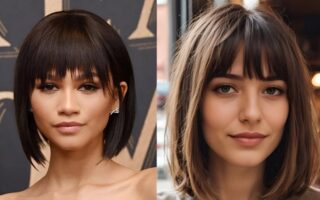
The mod bob is sleek, graphic, and sharply shaped. It often features a straight fringe and clean lines around the jaw or chin. This haircut highlights facial features and creates a bold silhouette.
In a modern version, the edges are slightly softer. Instead of a heavy blunt fringe, many people choose a lighter, textured bang. A flat iron can help maintain smoothness, but keeping some natural movement prevents the style from looking too rigid.
The pageboy variation includes curved ends that tuck inward. This rounded shape frames the face beautifully and works well for medium-density hair.
The Flipped Ends Blowout
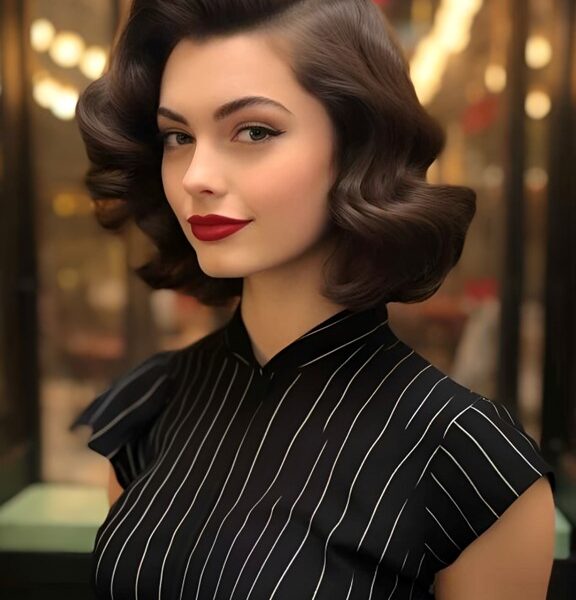
Flipped ends were extremely popular in the 1960s. This style involves turning the ends of the hair outward using rollers or a curling iron. It adds a playful and youthful touch to otherwise simple cuts.
To achieve this look today, blow-dry your hair smooth and then use a medium-barrel curling iron to flip the ends away from the face. Avoid tight curls. The flip should look soft and airy rather than overly defined.
This style works especially well for shoulder-length cuts. It adds movement and can make fine hair appear fuller.
The Half-Up Volume Style
For those who want something subtle, the half-up style with crown lift is a practical option. It combines everyday wearability with retro charm. The top section is teased slightly and pinned back, while the rest of the hair flows freely.
This approach is ideal if you are new to 1960s inspired hairstyles. It requires fewer pins and less structure than a full updo. Soft waves or gentle curls can enhance the overall effect.
Because it balances volume with loose length, this style suits both casual outings and semi-formal events.
Accessories That Complete The Look
Accessories played a major role in 1960s hair fashion. Wide headbands, satin bows, and patterned scarves were commonly used to enhance simple styles. These elements added personality without requiring complex styling.
When using accessories today, keep the outfit in mind. A bold headband pairs well with minimal clothing details. If your clothing already has strong patterns, choose a simpler hair accessory.
Placement also matters. Positioning a headband slightly behind the hairline allows the crown volume to remain visible. This small adjustment keeps the overall shape balanced.
Protecting Hair While Recreating Retro Styles
Traditional teasing techniques can cause damage if done incorrectly. To protect your hair, always work in small sections and avoid aggressive backcombing. Tease only the underside and smooth gently over the top layer.
Using heat protectant before styling tools is essential. Modern formulas reduce moisture loss and prevent breakage. After wearing a teased style, apply conditioner generously and detangle slowly with a wide-tooth comb.
It is also helpful to give your hair rest days between heavily styled looks. This ensures long-term health while still enjoying structured styles.
Common Mistakes To Avoid
One common mistake is adding too much height. While volume is important, extreme lift can throw off facial balance. Aim for proportion rather than maximum height.
Another issue is overusing hairspray. Heavy product buildup can make the hair look stiff and dated. Choose flexible formulas that allow movement.
Finally, avoid trying to copy a vintage image exactly. Instead, adapt the elements that suit your features and personal style. The goal is inspiration, not replication.
Conclusion
1960s inspired hairstyles remain relevant because they celebrate shape, structure, and personality. From the elegant bouffant to the sleek mod bob, each style offers a way to experiment with volume and design. These looks can be adjusted to suit modern preferences, making them wearable for everyday life and special occasions alike.
By understanding the key features of the decade and using gentle, updated techniques, you can recreate these iconic styles without compromising hair health. Whether you choose a subtle half-up look or a bold beehive, 1960s inspired hairstyles offer timeless charm with room for personal expression.
FAQ’s
What Is The Easiest 1960s Inspired Hairstyle To Try At Home?
The half-up style with light crown volume is the easiest option. It requires minimal teasing, a few pins, and flexible hairspray. This look gives a subtle retro feel without needing advanced styling skills.
How Can I Add 1960s Volume To Fine Hair?
Use a lightweight volumizing mousse before blow-drying and tease small sections at the crown only. Finish with a flexible-hold spray to maintain lift without making the hair stiff or heavy.
Can Curly Hair Work With 1960s Inspired Hairstyles?
Yes, curly hair can work beautifully. Focus on shaping the crown area for structure while allowing natural curls to remain defined. A structured half-up style or soft updo works especially well.
How Do I Make A 1960s Hairstyle Look Modern Instead Of Costume-like?
Keep the height moderate and avoid overly stiff finishes. Choose one retro element, such as crown volume or a headband, and pair it with natural texture and simple makeup.
Will Teasing Damage My Hair?
Teasing can cause damage if done aggressively or too often. Work in small sections, tease gently at the roots, and detangle carefully with conditioner to protect your hair.
Want glowing skin and gorgeous hair? Visit our website for the latest beauty tips and expert advice.
Disclaimer
The information shared in this article about 1960s inspired hairstyles is for general guidance and educational purposes only. Styling results may vary depending on your hair type, condition, and technique. Always use heat tools and products carefully to avoid damage. If you have specific hair or scalp concerns, it is best to consult a professional hairstylist before trying new styles.